

There are a lot of factors that go into the perfect cheese plate, but one of the most important and often overlooked details is how to properly cut each wedge or wheel. Of course, you don’t need to cut up every cheese completely, but making the first incision will help guide your guests. Plus, it helps with the intimidation of being the first to cut into that perfectly pristine wedge.
The shape of the cheese will determine the best way to cut it, while the texture and type will inform which knife to use. When serving, we recommend having a separate knife for each cheese to avoid cross-contaminating the flavors. Here's a helpful little guide on how to cut each cheese the right way, depending on its shape.
Why the Cutting Method Matters
The way you cut cheese doesn’t just make it easier to serve and handle; it also ensures you get the best experience. For hard cheeses, thin slices release a more intense flavor. Some cheeses have a stronger flavor at the rind with a milder taste in the center. Cutting it properly makes sure you get the right blend of both. And cutting cheese into different shapes makes your charcuterie board look elegant.
Formaticum offers exceptional cheese knives that provide different ways to cut cheese.
Tools You Need to Cut Cheese Properly
A small, sturdy Parmesan knife is used to pry off chunks of hard cheese. A special knife for a soft cheese like Brie will prevent sticking, and a cheese wire to cut through hard wheels is a must. A hard cheese board provides the right surface for preparing your cheeses.
How to Cut Cheese by Type
So, what’s best for cutting cheese? First, choose the right tool for the kind of cheese you’ll be offering. These basic tips will help you better understand how to cut different types of cheese easily and present them elegantly.
Cutting them correctly will improve their flavor profile and prevent waste.
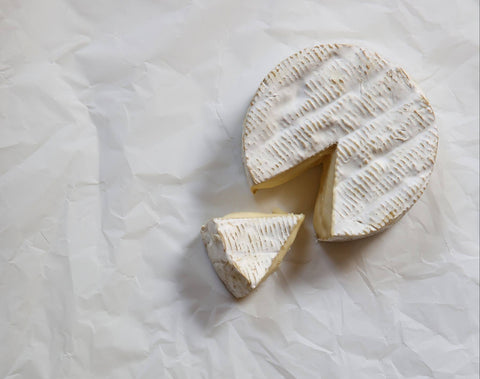
Round, like Camembert
Use our Professional Soft Cheese Knife to slice it into wedges, like you would a pie or cake. This ensures an even rind-to-paste ratio.

Square, like Cottonbell from Boxcarr Handmade Cheese
Use our Professional Soft Cheese Knife to slice into triangles, like you would a grilled cheese. Cut it in half diagonally, corner to corner. Then bisect that so it’s in quarters. Bisect each triangle again.

Log, like Aged Chelsea from Zingerman's
Use our wires cutters to slice into coins, about 1/2 “ thick. If it has a large diameter, like bucheron, you can then cut into pie-like wedges for a perfect portion.

Rectangle (think Comte)
Use our Professional Cheese Knife to slice off the rind then cut into thin strips, vertically. When it comes to flavorful, aged cheeses, the thinner slice, the better.

Firm Wedge, like Mimolette
Use our Professional Cheese Knife to cut off the rind so there are no inedible bits on your cheese platter, then slice into thin triangles.

Crumbly Wedge, like blue cheese
These ones are the hardest to slice cleanly, so we recommend crumbling off a few large pieces and leaving the rest whole. Or, you can use our Professional Blue Cheese Knife to get a clean slice every time!
How to Store Cheese After Cutting
Wrap the cut cheese in wax, cheese, or parchment paper. You can store the wrapped piece in a Ziploc bag, but avoid using plastic wrap; it makes the cheese “sweat.”
Your refrigerator’s crisper section offers ideal humidity control.
Never freeze cheese. If you have a soft cheese in brine, keep it in that brine container.
Common Mistakes When Cutting Cheese
The way you cut cheese matters more than you think, affecting the flavor, texture, and overall presentation on the cheese board. Avoid these mistakes.
- Serving it cold. This dulls the flavor; bring it to room temperature.
- Turning hard cheese into cubes. This results in small bites with little flavor; either use thin slices or break into chunks.
- Pre-slicing. Slices dry out faster. Leave the whole block out and cut as needed.
- Crowding the cheeseboard makes cutting difficult.
- Using the wrong knife. There’s a difference between what you need for soft or hard cheese.
Conclusion
Great cheese is one of the real pleasures in a foodie’s life. Understanding some simple tools and techniques ensures you can savor every bite, from the visual appeal of an elegant charcuterie board to the prism of flavors and aromas it offers.
Having the right knives and knowing when and how to use them will greatly enhance your experience!
Frequently Asked Questions
What knife should I use to cut Brie?
A cheese wire easily cuts through a gooey cheese like Brie. Or use a soft cheese knife with a thin blade to prevent sticking.
How do you cut cheese without it sticking?
Either use a sharp, thin knife or a cheese wire. You can also rub the knife across some butter for a non-stick coating.
Why does hard cheese crumble when cutting?
During aging, hard cheese loses moisture, and the protein breaks down, forming a more brittle structure. Use a wire slicer or twist the knife in to break off chunks.
How do you cut cheese for a charcuterie board?
For a charcuterie board, cut cheese into different shapes. Cut soft cheeses into wedges, slice firm cheeses into triangles or rectangles. For hard cheeses, break into chunks using the tip of a sharp knife.


