
As seen in









Formaticum Cheese Blog
Feeling Blue? Eat Blue Cheese!
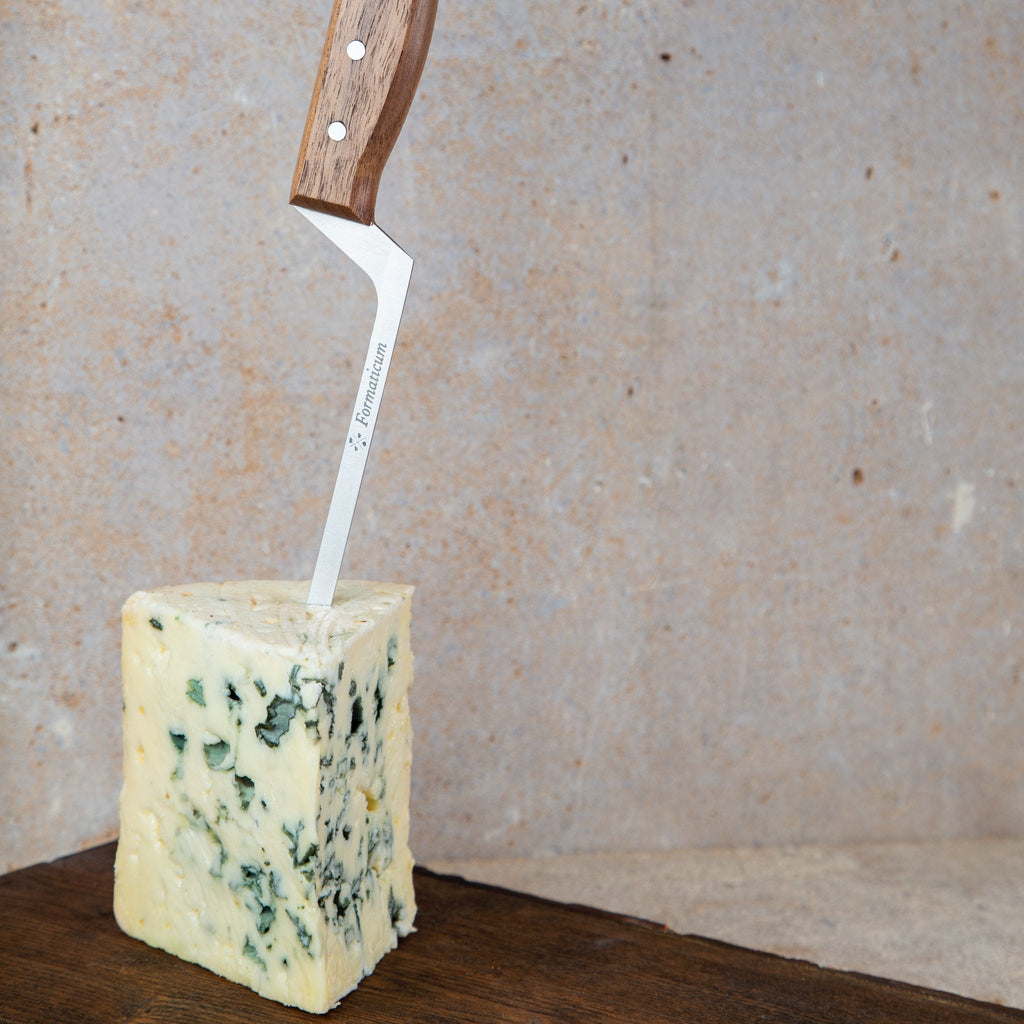
Blue cheese is one of the most polarizing and yet misunderstood cheeses in any cheese shop. While some cheese lovers are obsessed with Gorgonzola or Valdeon, others are self-proclaimed blue cheese haters and stay far away from that section of the case. We believe that the best way to appreciate a cheese is to understand it and taste it at its best - keep reading to learn more about the origins of blue cheese, and how serving and pairing it properly might help make a beautiful blue wedge a bit more approachable!
Like many other celebrated cheeses, the invention of blue cheese is purportedly an accident. Different cheeses have different origin stories - for example, Gorgonzola is said to be the result of a cheesemaker being distracted by his lover and trying to cover up the previous night's mistake with morning milk. But contrary to popular belief, the blue mold is not itself injected into a wheel of cheese! The culture, called penicillium Roquefort (yes, like the classic French Roquefort!) is added to liquid milk at the beginning of cheesemaking. After the cheese is formed and ages for a period of time, the wheels are pierced to introduce oxygen into the wheel and activate the blue mold. With the introduction of oxygen, the blue veining begins to grow in the space where the needle pierced the wheel, and in between the curds of the cheese.
Proper serving and storage techniques can make all the difference in your journey to being a blue cheese lover. You should remove blue cheese from your refrigerator about 30 minutes before serving - letting your cheese come to room temperature will allow you to taste all the nuances of flavor and texture that the cheese has to offer. It's important to experience the cheese as the cheesemaker intended!
Serve your wedge of blue with the right tool - our Mini Blue Cheese Knife is perfect for making neat slices, and makes a great gift.
If the intense flavor is still a bit too much for you, try these pairings to help acclimate your palate to blue cheese:
Honey: The sweetness of the honey will balance the spiciness of the blue. Try more floral honeys like acacia or orange blossom honey.
Fruit: Fresh or dried fruit is a classic pairing for blue cheese - try dried apricot or fresh pears to add brightness and lift the flavor on your palate.
Jam: Combining the previous two suggestions (fruit and sweetness) can't hurt! We recommend fig jam or sour cherry jam.
Chocolate: This is a unique pairing that is also a monger favorite. Stick with milk chocolate though, as dark chocolate can sometimes be overly bitter.
Dessert Wine or Cider: The perfect end to a good meal. Popular pairings include Port and Stilton, Sauternes & Roquefort, and Vin Santo & Gorgonzola, but any sweet wine or ice cider will provide a balancing sweetness to your blue cheese that will have you going back for bite after bite.
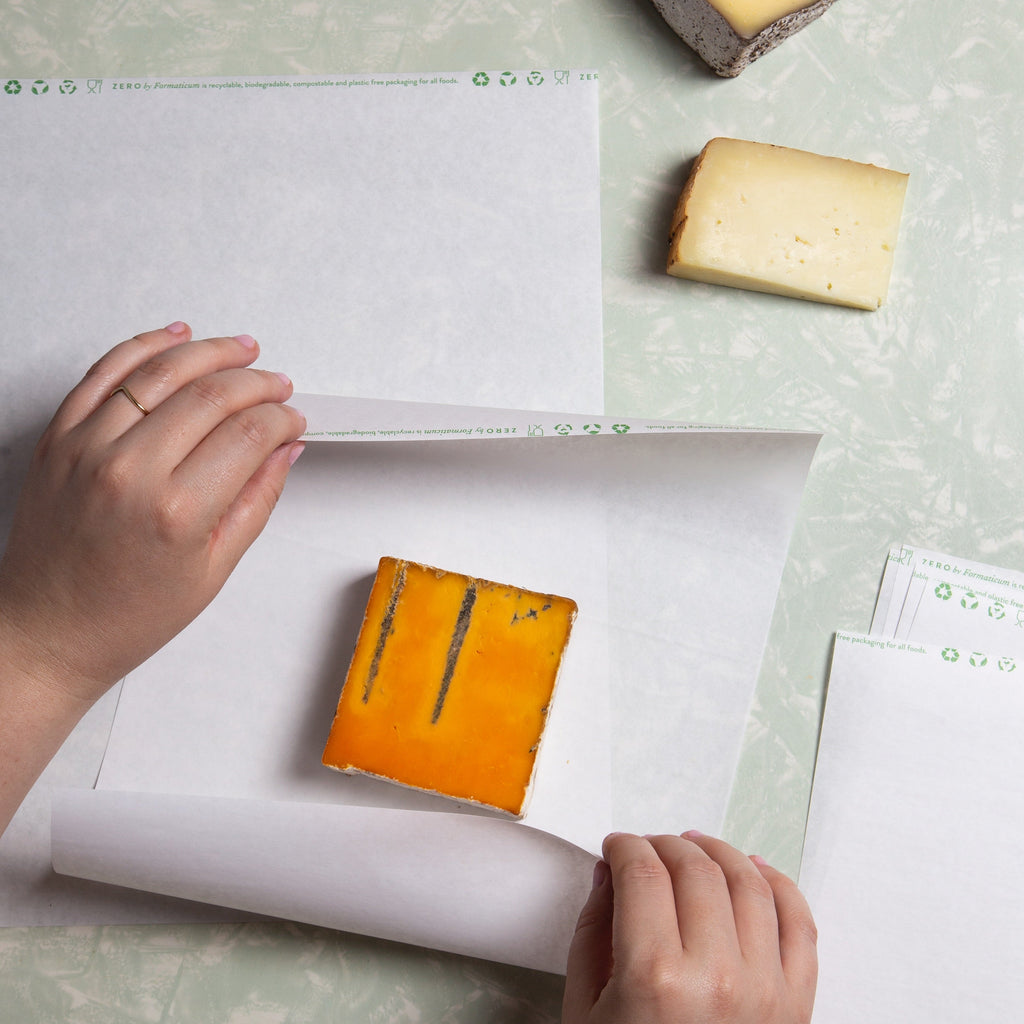
After you're done enjoying your newfound favorite blue, it's important to store it properly in your fridge. Using a sturdier material like Formaticum Reusable Cheese Storage Bags & Sheets will prevent any leaking and keep your cheese's flavor at its peak for longer than other storage methods like plastic wrap or parchment paper.
Post your favorite blue cheese pairings and tag us @formaticum and we'll repost our favorites!
Monthly Recap: January 2024
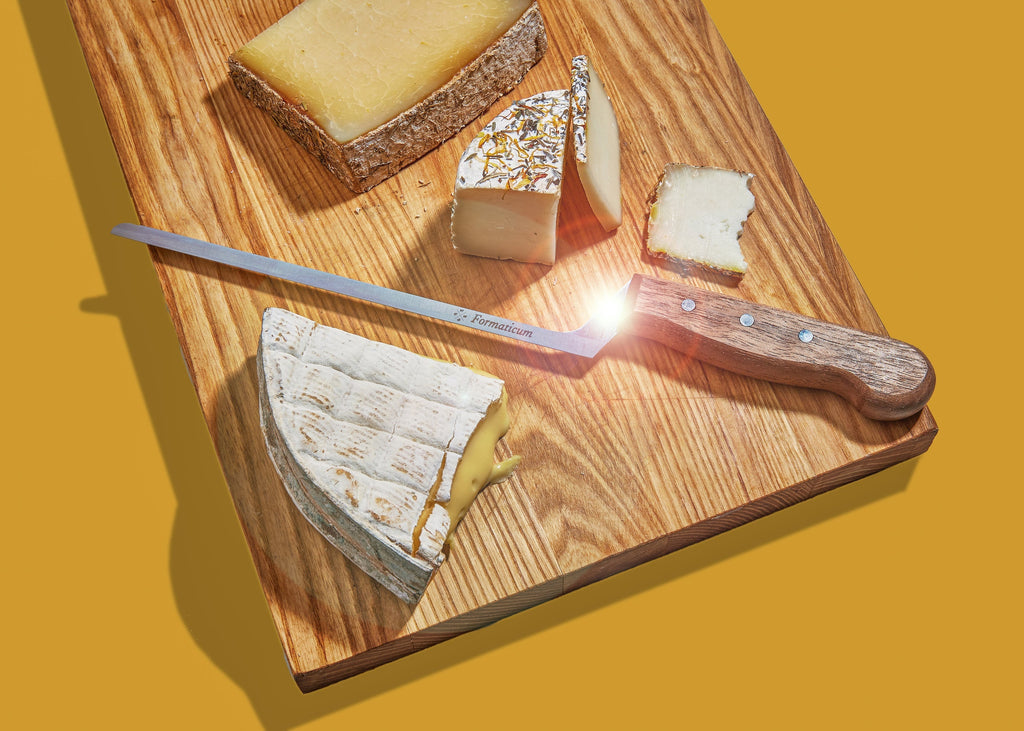
As we wind down from the excitement of the winter holidays, we know that it's important to take some time to relax, recharge, and recover. If your New Year's resolution was to learn something new, we've got good news for you - we put together a concise list of the topics we've covered on the blog and social media this month. From cheese storage tips to proper knife care to serving suggestions, we've covered a wide range of topics. So take the next few minutes, grab a cozy blanket and a cup of tea, and read on to find out what the Formaticum team has been up to this month.
Right after New Year's Day, we got to work tackling the age-old question: how long will my cheese last in the fridge? The answer is….it's complicated. Cheese is a gastronomic miracle, but it's not immortal! There are many factors that contribute to a cheese's shelf life. Read this post and watch our short video below to learn more about how to properly wrap and store your cheese in a way that preserves the flavor and texture.
We wanted to keep the cozy vibes going even after the holidays, so we hosted a Raclette night to provide you with tried and true serving and pairing suggestions for everyone's favorite hot, melty cheese. Read this post to learn more about the history of this iconic cheese and how to choose a selection of different types of Raclette that will please everyone in your group.
Wires and hollow knives and offset blades, oh my! The choices for cheese tools can seem endless, but we're here to guide you. Read this post to learn how to perfectly pair different knives and tools with different styles of cheese. The below video includes tutorials on how to use each of our knives and other cheese tools to get the perfect cut, every time!
You "cheddar" believe we finished the month out with an in-depth discussion about one of America's favorite cheeses. With the variety of cheddars available on the market being almost as vast as the number of cows who produce the milk to make them, it's important to select the cheese that is right for your specific needs. In this blog post, we discuss how to talk to your cheesemonger to not only walk away with the perfect cheese, but also how to develop your palette and learn more about your personal flavor preferences!
Thanks for joining us this month! Check back in February for more service tips, cheese history, wrapping tutorials, and so much more. And don't forget to follow us on Facebook, Instagram, TikTok, and Youtube. If you have any questions or want to suggest a topic for us to cover in the future, please email emilia@formaticum.com.
Choosing Cheddar: A Brief Guide
Cheddar was one of the US's first favorite cheeses, and it only continues to grow in popularity. Today, we have a wide variety of cheddar at our fingertips, and each one is as unique as the landscapes on which the animals are grazing. While cheddar originated in Somerset, England (yes, in the village of Cheddar!), the cheesemaking style has since spread all over the world and is beloved by many.
So if it isn't the place of origin, then what makes cheddar, cheddar? The answer is partly in the process - appropriately called "cheddaring". During cheddaring, the curds are cut into slabs and continuously stacked on top of each other on the sides of the vat. This encourages whey expulsion (moisture loss), which also results in the signature texture of many cheddars - crumbly, slightly granular, with visible curds.
With the number of different cheddars on the market these days, choosing the right one for your needs can be overwhelming! Block or clothbound, American or English style, lemony or nutty or horseradishy…the options are seemingly endless, and that doesn't even include the "cheddar-adjacent" cheeses like Lancashire or Red Leicester.
Enter the cheesemonger. Cheesemongers are your tour guide to the wonderful world of cheese, and the key to unlocking your own personal flavor preferences and tastes.
As the flavor profiles of cheddar are as vast as the number of cows milked to make them, you can start by talking to your cheesemonger about what kind of flavor you are hoping for, and how you will be using the cheese. Don't be afraid to offer up more general flavor notes like "nutty" or "creamy" - it's the cheesemonger's job to know the cheeses in their case, and to be able to help you narrow down the options.
It's also important to note that the nature of real cheese is that it will change seasonally and batch to batch, so make sure you are tasting each cheese with your monger to see how it changes and if it still suits your needs. In the process, you will start to identify more specific flavor profiles that you enjoy, and develop your palate, as well as a deeper appreciation for the cheeses. Your cheesemonger is your friend!
Serving Cheese & Choosing the Right Knife
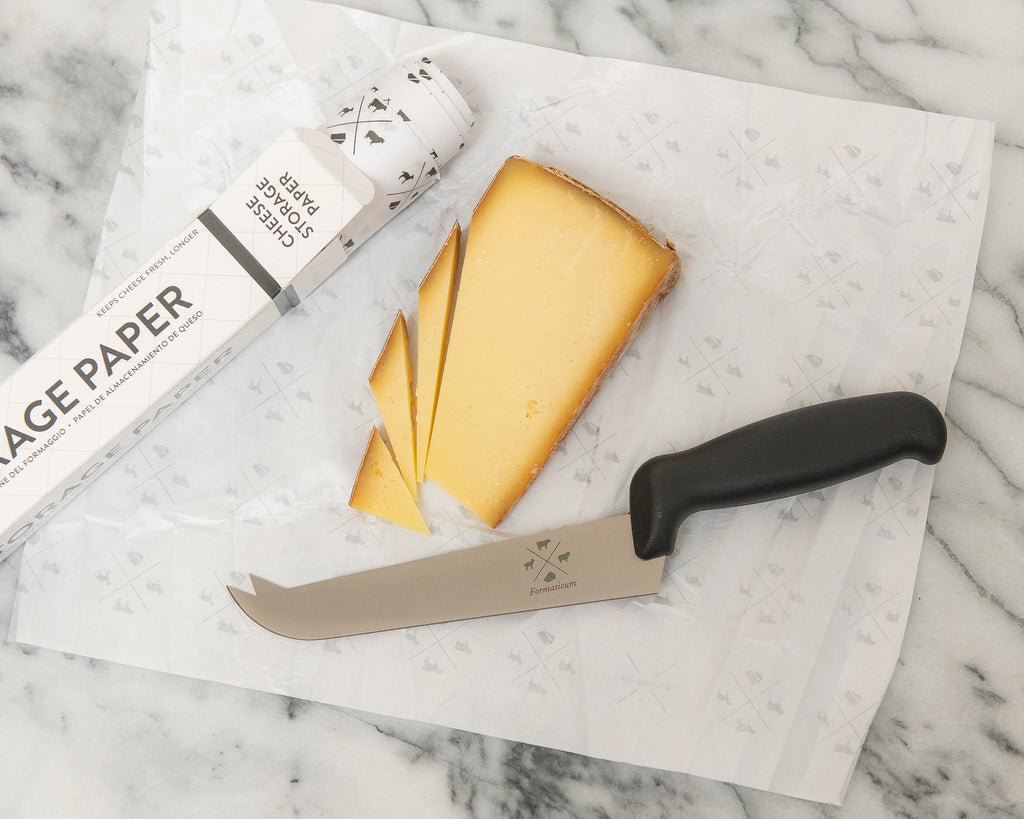
If you've taken the time to meticulously curate the cheese selection for your next platter, make sure you bring the same energy to serving the cheese as well! Offering your guests the opportunity to enjoy a cheese platter in a stress-free and attractive way will have them asking you where you learned your cheese cutting skills. Impress your family and friends with these fool-proof tips for cutting and serving cheese:
1. Always serve cheese at room temperature. Take your cheese out of the fridge 30-45 minutes before serving to allow the cheese the warm up, so that your guests can experience the full spectrum of flavor and texture, as the cheesemaker intended.
2. Account for 1oz of cheese per person, per cheese. This can be adjusted based on your preferences and how much other food is being served alongside the cheese platter.
3. Choose the right tool. The Formaticum Mini Knife Set offers a variety of different knife styles to tackle every style of cheese easily, right from your own kitchen. Here's how to use each knife:
- A general cheese knife will easily cut firm or hard cheeses, like Manchego or Gruyere. You can cut these cheeses into even triangles or batons, and you can use the tip of the blade to create rough chunks of more granular cheeses like Parmigiano Reggiano, aged Gouda, or cheddar.
- A soft cheese knife is best for cheeses like Brie, Epoisses, Camembert, Taleggio, or Robiola. The hollow blade helps prevent the paste from sticking, so you get a smooth cut, every time. Soft cheeses can be placed on a platter whole, with the appropriate knife alongside it, so that guests can serve themselves the amount they want.
- A blue cheese knife will easily cut delicate blue cheeses without making a mess, due to the very thin, offset blade. You can either serve a piece of blue cheese whole, or you can create small crumbles.
- A cheese spreader knife is perfect for serving gooey cheeses like Vacherin Mont d'Or, Harbison, or Serra d'Estrella. These cheeses can be served with the top rind removed so that guests can scoop out the paste to spread on bread or crackers.
4. Take care of your cheese tools as well as you take care of your cheese! Our Mini Cheese Knives are made of stainless steel and Italian walnut, so please don't put them in the dishwasher! They should be gently hand washed with soap and water, and allowed to air dry. When the knife is completely dry, you should occasionally oil the wooden handles using a food-safe oil to keep them smooth and shiny. Use a small drop of oil, rub it generously over the handle, and wipe off any excess. Allow the handle to dry again before using.

Willkommen im formaticum Blog
Unser Zuhause, um unsere Käsechroniken und mehr zu teilen.
Kategorien
kürzliche Posts
Wire Cheese Cutter Vs Traditional Knife: Choosing the Right Tool for Your Cheese
5 Best Knives for Cutting Different Types of Cheese
10 Cheese Storage Tips to Keep It Fresh Longer
Upcoming Events
6. März 2022 – 15:00 Uhr
Der Mittelweg
900 Marin Street
San Francisco, CA 94124
Kalifornisches Artisan Cheese Festival
26.-27. März 2022
Veranstaltungszentrum von Sonoma County
1350 Bennet Valle Rd
Santa Rosa, CA 95404
Verbinde dich mit uns
Abonnieren Sie den Newsletter
Melden Sie sich an, um Sonderangebote, neue Produktveröffentlichungen, Updates aus dem Käseladen und mehr zu erhalten.