
As seen in









Formaticum Cheese Blog
5 Best Knives for Cutting Different Types of Cheese
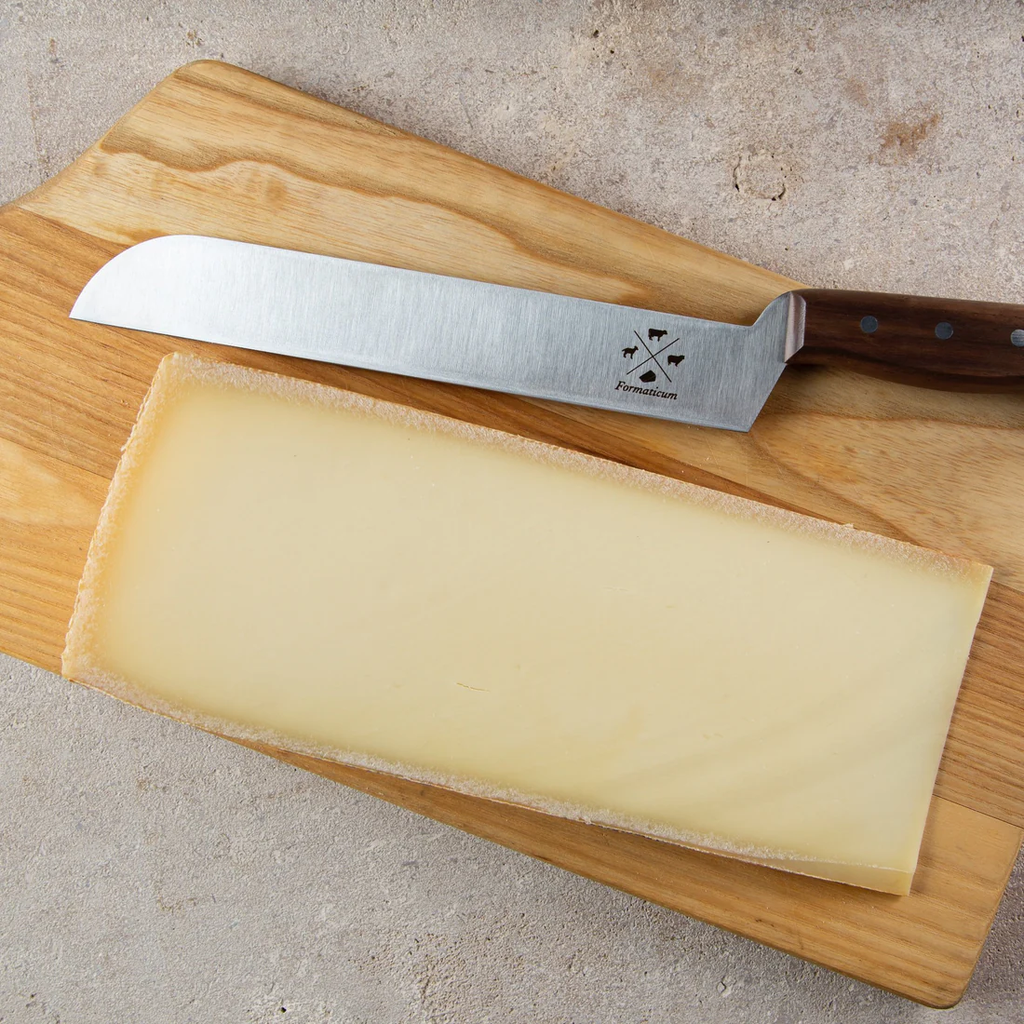
Wrong knife, ruined cheese. Drag a chef's knife through a soft wheel of Brie and you'll understand why in about three seconds. Every cheese type behaves differently under a blade. Soft varieties cling and smear, firm ones crumble under the wrong motion, and blue cheeses fall apart the moment a thick blade passes through. Knowing which knife to reach for is the difference between a clean, confident cut and a crumbled mess.
Here's exactly what belongs in your cheese knife set and why each one earns its place.
1. Professional Soft Cheese Knife
Soft cheese is notoriously difficult to cut cleanly, especially at room temperature. The texture clings to everything, and a standard blade turns Brie or Camembert into a smeared disappointment within seconds.
The soft cheese knife solves this with a hollow or perforated blade. Those holes reduce surface contact so the cheese releases cleanly instead of dragging. Small design detail, big result.
Use it for Brie, Camembert, triple crèmes, and any soft-ripened variety. Room-temperature cheeses are the trickiest. They're at their most adhesive right when you want to serve them.
Having the right blade means you don't have to rush or refrigerate just to get a clean cut. If you're starting to build a collection, small cheese knives like this one are exactly where to begin.
2. Professional Serving Cheese Knife
The Professional Serving Cheese Knife does two jobs in one pass. It cuts and serves. Once you've made your slice, the forklet at the tip lets you lift and transfer it directly to the plate without touching the cheese.
That matters more than it sounds. The oils from your fingers affect both surface quality and flavor, and on a board where presentation counts, fingerprints and smearing show. The forklet removes that problem entirely.
Handmade in Italy with a stainless steel blade and solid walnut handle, this knife works across all cheese types, making it one of the most practical single tools in any cutting setup.
3. Professional Blue Cheese Knife
Blue cheeses like Gorgonzola, Roquefort, and Stilton are soft, crumbly, and notorious for sticking to any blade with real surface area.
The Professional Blue Cheese Knife is built for exactly this. Its blade measures just 0.25 inches wide, so there's minimal contact as it passes through. Less contact means less sticking, less tearing, and no clumping on the blade. It's the difference between a clean slice and a wedge that falls apart before it reaches the board.
Use it any time you're working with blue-veined varieties. A standard blade will drag through the body and destroy the texture entirely. Handmade in Italy with a stainless steel blade and solid walnut handle, it's built to the same standard as the rest of the knife range.
4. Professional Cheese Knife
The Professional Cheese Knife is the go-to blade for firm and hard cheeses. Its wide, sturdy blade with a flat edge is designed for applying even downward pressure which is exactly what aged Cheddar, Gruyère, and similar varieties need.
A rocking or dragging motion causes crumbling. A clean press straight down gives you uniform pieces every time. The offset walnut handle keeps your knuckles clear of the board and gives you full control over each cut.
This is also the knife worth using on anything aged. Manchego, Comté, or a well-matured Gouda all respond the same way. Firm texture, even pressure, consistent result. If there's one knife most home setups are missing, it's this one.
5. Professional Soft Cheese Knife w/ Forklet
This is the upgraded version of knife #1, designed for anyone who wants the full cut-to-serve workflow in a single tool.
The Professional Soft Cheese Knife w/ Forklet uses the same void blade to cut through Brie, Camembert, and other soft-ripened varieties without sticking. But the addition of the forklet means you can lift and transfer each slice immediately after cutting. No fingers, no separate tool, no flavor transfer.
Think of knife #1 as your everyday soft cheese cutter. This one is for when the board is going out to guests and presentation matters as much as the cut. Handmade in Italy with a stainless steel blade and solid walnut handle, it brings the same build quality as the rest of the knife range. Cut, lift, serve and done.
Other Cheese Tools Every Cheesemonger Needs
A solid knife collection handles most situations. But certain cheeses and prep tasks call for something more specific. These tools round out a genuinely complete setup.
Wire Cutter
For ultra-soft cheeses and fresh logs of chèvre, a cheese wire delivers the cleanest cut possible. No drag, no compression. The wire passes through without resistance and leaves a smooth surface behind. Something no blade can match with the most delicate soft varieties.
Handee Cheese Cutter
The Handee Cheese Cutter is a countertop wire cutter built for volume and precision. A patented floating stainless steel wire (60cm) slices smoothly through all cheese types with no crumbling or waste, then springs back to position, ready for the next cut.
The food-grade polycarbonate base resists chemical action from cheeses, wipes clean with a damp cloth, and replacement wires fit in seconds. For anyone cutting cheese regularly, it's the tool that makes every other method feel inefficient.
Cheese Storage Paper
The cut is only half the job. Once you've sliced and served, the remaining cheese needs to be wrapped correctly, or it deteriorates fast. Formaticum cheese storage paper is designed specifically for this. It lets the cheese breathe while maintaining the right moisture level, preserving the flavor and texture the cheesemaker intended. Plastic wrap suffocates cheese. The right paper keeps it alive.
Tips for Choosing the Right Cheese Knife
You don't need every knife at once. Here's how to build a practical kit without overcomplicating it:
- Start with three: a soft cheese knife, the blue cheese knife, and a hard cheese knife handle the majority of everyday situations.
- Invest in quality: cheap blades flex unevenly and damage texture. A well-made set lasts years with basic care.
- Clean between cuts: switching between varieties with a dirty blade transfers flavors and can introduce contamination where it doesn't belong.
- Pair knives with proper storage: after cutting, wrap each piece in proper cheese-storage paper. The knife gets the cut right; the wrap keeps it fresh.
Conclusion
The right knife isn't a luxury. It's respect for the cheese. Soft varieties need perforated blades. Hard ones need even pressure. Blue cheeses need thin, minimal-contact edges that won't tear the body apart. Match the tool to the texture, keep your blades clean, and every board you put together will look and taste exactly the way it's supposed to.
Frequently Asked Questions
Here are the most common questions about cheese knives, answered directly.
What knife is best for cutting soft cheese?
A soft cheese knife with holes or perforations in the blade is the right choice. The reduced surface contact stops the cheese from sticking and dragging, giving you a clean cut through Brie, Camembert, and other soft-ripened varieties without tearing the surface.
Why do cheese knives have holes in the blade?
The holes reduce the surface area in contact with the cheese. Less contact means less sticking, especially with soft cheeses like fresh goat cheese that cling to solid blades and smear instead of slicing cleanly. It's a functional design feature built around how soft cheese actually behaves.
What tool is best for slicing cheese thinly?
For ultra-soft varieties and fresh logs of chèvre, a cheese wire produces the cleanest results. No compression, no drag. Just a smooth pass through even the most delicate cheese.
Can a regular kitchen knife be used to cut cheese?
Technically yes, but it causes real problems in practice. A chef's knife drags through soft cheeses, crumbles hard varieties, and destroys the texture of aged cheese that needs even pressure rather than a slicing motion. The right knife makes a measurable difference in both presentation and the eating experience.
10 Cheese Storage Tips to Keep It Fresh Longer
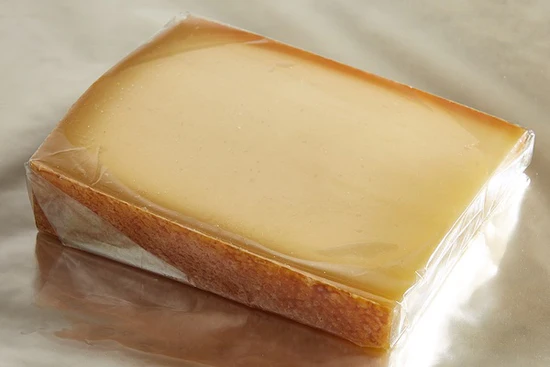
You paid good money for that wedge of cheese. Don't let it go to waste because of one bad habit. Most people reach for plastic wrap and wonder why their cheese tastes off by day three or find it dried out and cracked before they've had a chance to finish it. It doesn't have to go that way. These cheese storage tips will change how you handle every variety in your fridge.
1. Wrap Cheese in Breathable Material (Not Plastic Wrap)
Plastic wrap suffocates your cheese. Every time you seal it in cling wrap, you're blocking airflow, trapping moisture, and creating the exact conditions that breed off-flavors and mold. Cheese needs to breathe so swap it for professional quality cheese storage paper. That one change makes a noticeable difference almost immediately.
2. Store Cheese in the Vegetable Drawer for Stable Humidity
The top shelf of your fridge isn't the right spot. Every time the door opens, the temperature shifts and that constant fluctuation quietly damages texture and mutes flavor. The crisper drawer gives you something the top shelf can't: stable humidity and consistent cold. Think of it as a mini cheese cave. That's what cheese actually needs.
3. Keep Cheese Away from Strong-Smelling Foods
Cheese absorbs surrounding aromas. That's not a flaw. It's just how it works. Store it next to last night's leftovers or a halved onion and you'll taste those aromas in every bite. Keep cheese separated in the fridge and wrap each piece individually.
This matters even more when you're storing multiple varieties at once, since cross-contamination between types happens faster than most people expect. A simple dedicated shelf or drawer makes the habit easy to keep.
4. Use Cheese Paper for Best Results
If tip #1 is the rule, this is the upgrade. Formaticum cheese bags are a practical everyday option, offering breathable protection in a format that keeps your fridge organized without any extra effort. Unlike plastic wrap, cheese-specific storage lets moisture regulate naturally, so you get the right balance of airflow and humidity without having to think about it.
5. Maintain the Right Temperature (Around 1–4°C)
According to the USDA Food Safety and Inspection Service, the ideal storage range for dairy is between 35°F and 45°F (1.6°C to 7.2°C). Drop below that and your cheese loses depth. Go above it and bacterial growth accelerates.
That window exists for a reason. Staying inside it is what keeps quality cheese tasting like itself. If your fridge runs warm, use a thermometer to check the actual temperature rather than assuming the dial setting is accurate.
6. Rewrap Cheese After Every Use
Every cut exposes a fresh surface to air and mold spores. Rewrapping immediately after each use is one of the simplest habits you can build, and it extends shelf life more than most people expect. It doesn't take long. Fold the paper, press out the air and be done. Don't leave a sliced wedge sitting open on a shelf. Wrap it every single time.
7. Store Different Cheeses Separately
Hard cheeses like Cheddar and Parmigiano Reggiano behaves completely differently from soft varieties like Brie or fresh Mozzarella.
Storing them together causes moisture transfer and flavor bleed that doesn't belong in either. Wrap each type individually, and use a dedicated wire cheese cutter per variety if you're cutting regularly. Separation isn't overthinking it. It's just good practice.
8. Control Moisture to Prevent Drying Out
Too much moisture invites mold. Too little destroys texture. The goal is balance, and your wrapping method is how you get there. For semi-hard and hard cheeses, cheese paper is the right call.
For soft cheeses, cheese paper alone usually does the job. No extra container needed. The one thing to avoid across the board: sealing breathable wrapping inside a fully airtight container. That traps humidity and accelerates exactly the kind of mold growth you're trying to prevent.
9. Label Cheese with the Purchase or Open Date
Once you remove the original packaging, the best-by date is gone. Writing the date directly on your cheese paper takes a few seconds and saves you from guessing a week later. A Formaticum Cheese Label makes this even easier. You can note the purchase date, milk type, and country of origin all in one place. Small detail, genuinely useful.
10. Bring Cheese to Room Temperature Before Serving
Cold cheese is quiet cheese. Letting it sit out for 30 to 60 minutes before serving opens up flavor and aroma in ways that refrigerator-cold never will. Timing matters here, though:
- Soft cheeses shouldn't sit out longer than two hours
- Hard cheeses can handle up to four before bacterial growth becomes a real concern
Only put out what you'll eat in one sitting. If there's any left, scrape the cut face with a knife to remove surface butterfat before rewrapping and returning it to the fridge.
Common Cheese Storage Mistakes to Avoid
These come up more often than you'd think. Worth running through quickly.
- Reaching for a plastic bag: A zip-lock or any other plastic bag traps moisture, cuts off airflow, and speeds up mold growth. Both damage texture faster than expected.
- Skipping the rewrap: Leaving sliced cheese exposed, even briefly, dries out the cut surface and opens the door to contamination.
- Storing near strong-smelling foods: Cheese picks up neighboring aromas. Keeping it separated isn't optional.
- Freezing: Freezing changes texture, leaving most cheeses crumbly and grainy after thawing. It's best avoided entirely.
- Ignoring mold: On hard cheeses, cut at least ¼ inch around any visible mold and the rest is salvageable. On soft cheeses and cream cheese, visible mold means the whole piece goes in the trash.
Conclusion
The difference between cheese that lasts and cheese that doesn't comes down to three things: breathable wrapping, the right temperature, and a consistent rewrap habit. Ditch the plastic wrap. Move your cheese to the crisper drawer. Start fresh every time you cut. Your cheese deserves to be stored properly and now you know exactly how.
Frequently Asked Questions
Let’s address some common questions about cheese storage.
Can I freeze cheese for long-term storage?
No. Freezing leaves most varieties crumbly and grainy once thawed. The texture won't recover, and the flavor takes a hit too. It's better to buy less and eat it fresh.
How long does cheese last in the fridge?
It depends on the variety, the storage method, and the environment. The best approach is to buy less cheese, more often, and eat it as quickly as possible after purchase. That way you're always getting the freshest flavor and texture rather than stretching a piece past its prime.
Where should cheese be stored in the fridge?
The crisper or cheese drawer is the best option. It provides stable humidity and consistent cold without the temperature swings that come from the top shelf or fridge door.
How do I know if cheese has gone bad?
Look for unexpected mold, a slimy texture, or a sharp ammonia smell. On hard cheeses, surface mold can be trimmed by cutting at least ¼ inch around it. On soft cheeses and cream cheese, visible mold means discard the whole piece. Your senses are the best tool here. If it looks, smells, and tastes off, toss it.
What is the best wrapping for cheese storage?
Cheese-specific paper is the best option. It allows airflow while retaining the right level of moisture. Reusable cheese storage options are a practical, eco-friendly choice that keeps cheese in peak condition every time.
What Is a Paring Knife Used For — Definitive Guide (2026)
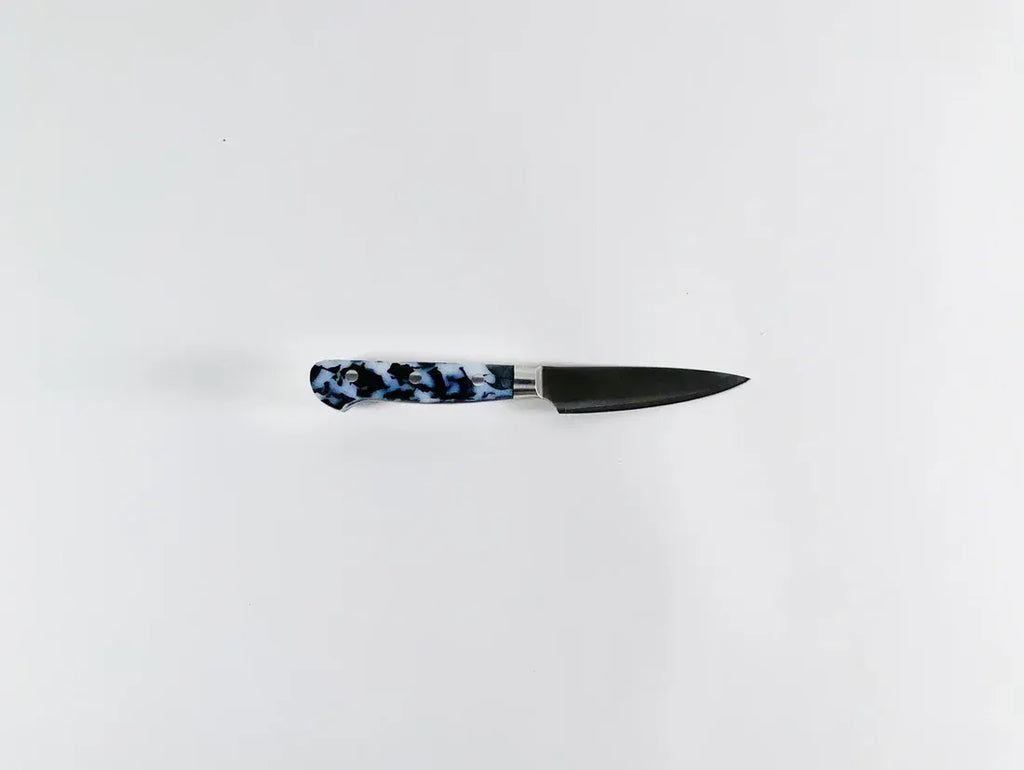
You may already have something like a professional chef’s knife, but you STILL need a paring knife in your kitchen.
This small-but-mighty tool is exceptionally versatile. The size allows for greater control and precision versus larger knives. Read on to learn all the clever ways to use a paring knife.
What Is a Paring Knife? — Key Definitions
It features a small, sharp blade that’s typically 2.5 to 4 inches long. This compact size makes it ideal for intricate tasks like removing skin and stems from fruit, creating garnishes, mincing garlic cloves, and even trimming meat.
The word “paring” comes from an old French term, “parer”, which means to “prepare, trim, adorn.”
Paring knives go all the way back to ancient times, evolving in the Middle Ages to more easily handle complex kitchen tasks.
Here’s how this knife stacks up against other kitchen knives
| Tool | Typical Blade Length | Best For | Compare to Paring Knife |
| Paring Knife | 2.5–4″ | Precision cutting, peeling, coring | Most control for detail |
| Utility Knife | 4–6″ | Mid-size slicing tasks | More versatile, less detail |
| Chef Knife | 6–12″ | Large chopping/slicing | Better for bulk prep |
Top Uses of a Paring Knife
The appeal of a paring knife is in its versatility and the control it provides in performing intricate tasks.
Basic Uses
Peeling & Trimming Produce
A paring knife allows for controlled peeling of things like fruit, potatoes, and citrus.
Celebrity chef Jamie Oliver uses his paring knife to peel citrus for its zest in a way that creates minimal waste.
- Cut a small slice off the top/bottom of the fruit so it sits flat on the cutting board.
- Use the knife to make vertical cuts from top to bottom, following the curve of the fruit, and cutting long, thin strips.
- Focus on the colorful part of the peel, avoiding the bitter white part.
- Finely mince the strips for use in sauces or dressings.
Coring Fruits & Vegetables
A paring knife helps in removing seeds, cores, and stems from things like tomatoes, peppers, potatoes, apples, strawberries, and the like.
Deveining Shrimp
When deveining shrimp, the maneuverable blade of a paring knife gives more control than does a larger tool like a utility knife or chef's knife.
Slicing Small Items (Garlic, Herbs, Strawberries)
This knife makes precise cuts when dicing or mincing shallots, garlic cloves, herbs, and other small ingredients.
Segmenting Citrus (Supreming)
"Supreming" is a technique in which the small, sharp blade of the paring knife is used to efficiently segment a piece of citrus fruit. It allows the bitter white parts to be removed, leaving just clean flesh.
- Slice a small piece off the top and bottom so that it stands upright on the cutting board.
- Using the paring knife, use smooth, downward strokes to cut away the peel and the bitter white pith. You want to expose the flesh.
- Using a firm grip, hold the peeled fruit over a bowl. Insert the tip of the knife on one side of the membrane and slice inward, almost to the center. Make a similar cut on the other side of that segment. It should fall out easily.
- Continue with the whole piece.
Advanced or Creative Uses
Garnishing & Decorative Cuts
The small blade of the paring knife is ideal for carving garnishes, like tomato roses or colorful spirals from vegetable peels.
Chefs also rely on this knife for plating a dish.
- Making shallow scores on the skin of meat, fish, and vegetables.
- Using the tip of the knife for intricate work, like creating a small well in a puree, or precisely positioning delicate items like microgreens atop a sauce.
- Trimming/cleaning, like removing a stem from a strawberry or trimming fat from meat.
Scoring & Surface Techniques
Use the sharp knife for scoring a food surface.
For bread dough, a series of ¼-inch scores at a 45-degree angle allows steam to escape and the dough to expand efficiently.
For meat, shallow cuts help layers of fat to crisp up and marinades to penetrate.
Small Meat & Protein Prep
A paring knife makes it easier to remove “silverskin” (tough, thin membranes in meat). Fat can be trimmed more precisely.
It can better skin fish fillets and remove the small, delicate pinbones.
What Others Don’t Tell You — Unique Insights
Hidden Truths Home Cooks Overlook
For many home cooks, their paring knife gets overlooked in favor of using a chef’s knife. In truth, this small knife performs many kitchen tasks, like chopping herbs, more efficiently. It offers more control and precision, especially in detailed work, than larger knives.
Social media discussions among cooks note that amateurs too often rely on large knives for the small jobs that a paring knife could handle with more precision.
Paring Knife Myths Debunked
The biggest myth? “It’s only for peeling.”
In truth, a paring knife handles many precision tasks in food preparation, like scoring, deveining, trimming, and segmenting. It's also key in creating decorative garnishes.
A paring knife offers maximum control in detailed work or delicate tasks like placing smaller ingredients atop a sauce or other liquid.
Unusual Non-Food Uses
The precision and control of this kitchen essential make it ideal for many uses.
- Slicing through packing tape safely.
- Carving detailed patterns in things like soap, wood – even a pumpkin!
- Trimming and dead-heading plants in the garden.
- Scoring caulk.
- Removing labels.
How to Choose the Right Paring Knife
The perfect paring knife for your kitchen comes down to three basic elements: blade shape, type of steel, and the ergonomics of the handle.
Blade shape
- Spear point: The traditional paring knife with a pointed tip for slicing, peeling, dicing, and trimming.
- Bird’s Beak paring knife: A slightly curved blade for peeling round fruits, hulling strawberries, and creating garnishes.
- Serrated: This blade saws through tough skins.
- Sheep’s Foot: A straight-edge blade for maximum precision and control.
Material
Choose from stainless, high-carbon or ceramic for the blade (see following chart for comparison).
Handle ergonomics
You want one that offers a good grip for better control and ergonomics for comfort.
Data Table: Material Comparison
| Material | Edge Retention | Rust Risk | Maintenance |
| Stainless Steel | Good | Low | Easy |
| High Carbon | Excellent | Medium | Medium |
| Ceramic | Very High | Very Low | Fragile |
Safety & Best Practices
- For less effort and more precision, ensure that your paring knife stays sharp and has a good grip. This also reduces “slips” which can be dangerous.
- Use the “claw” technique, curling the fingers of your non-dominant hand in and using knuckles as a guide for the knife blade when chopping or mincing on the cutting board.
- For peeling, use your thumb to guide the fruit/vegetable. This keeps fingers out of the path of the blade.
- Don’t use a paring knife on large or hard foods like squash or watermelon. It’s good for removing thin bones, like those on a fish fillet; avoid trying to cut heavier bones.
- Hone the knife blade weekly and sharpen it each month. Hand wash only. Store on a magnetic strip, in a knife block, or in a protective sheath.
Conclusion
As we’ve shown, a quality paring knife is among the most versatile tools in the kitchen. The short blade and sharp tip make so many tasks much easier and offer the chance to elevate any dish with garnishes, cleaner presentation, and less waste in preparation.
For example, a paring knife is a great tool for cheese: cutting away rinds, slicing small pieces of hard cheese or other bits for your charcuterie board, and the like. (And when you’re done serving, our cheese storage bagsensure the product will stay fresh and flavorful!)
Explore the best paring knives at Formaticum.com! Plus, we offer professional cheese knives and mini cheese knives, too.
Frequently Asked Questions
Can I use a paring knife on meat?
It’s good for scoring meat and trimming away fatty bits. However, avoid using it for cutting thick bones.
Paring knife vs peeler: when to use each
A peeler is good for peeling large amounts of produce quickly, especially on things like potatoes and carrots. It’s got one function.
A paring knife works best with fruits/vegetables that have delicate skin. The tip makes it efficient for cutting out bad spots, removing stems, and seeds. It can also be used to create artistic elements like a garnish.
How to sharpen a paring knife
Use either a whetstone sharpener or a honing steel to keep the blade of your paring knife sharp. Hold the knife at a 20-degree angle and gently slide the blade along the edge.
What is a Cheesemonger? - Complete Guide to the Role, Skills & Why It Matters

Behind every perfectly wrapped wedge of Brie or hunk of aged Comté is a trained professional. Like a sommelier for wine, this specialist offers expert advice on all things cheese: pairings, tastings, storage, and so much more.
The demand for specialty cheese is exploding. Consumers want expert guidance navigating the cheese world. That involves everything from the best way to slice and serve them to storing themto be enjoyed longer. This is where a cheesemonger comes in.
What Is a Cheesemonger?
The simple definition of a cheesemonger is a trained professional who selects, ages, stores, cuts, and sells cheese while advising customers on flavor profiles and what cheeses pair with what.
A “monger” is an old word from Old English, denoting a merchant for a specific commodity. However, not every person associated with cheese earns that title.
- Cheesemaker: Oversees every part of the cheese-making process. This includes selecting the ingredients, creating the curds and whey, cutting, salting, and pressing the cheese.
- Affineur: Specifically, “refines” the aging process. They physically turn the cheese, brush and wash it to develop the rind and flavor, and monitor humidity, temperature, and airflow.
- Cheesemonger: The monger is an expert in the selection, care, and sale of artisan and specialty cheeses.
| Role | Primary Responsibility | Works With |
| Cheesemaker | Produces cheese | Milk & cultures |
| Affineur | Ages & refines cheese | Aging caves |
| Cheesemonger | Sells, promotes & stores cheese | Customers |
A Brief History of Cheesemongers
Cheesemongers started in monasteries, with monks in charge of producing and managing cheese.
By the 13th century, cheese shops were popping up in France and the UK. In those medieval markets, fromagers in France were producing their own.
By the time of the Industrial Revolution, demand for cheesemongers fell as an emphasis on cheese volume took hold. After World War II, soldiers returning to America brought back products from other parts of the world, sparking greater interest in different food producers.
In the 1980s, demand for specialty cheeses increased. By the 1990s, grocery stores were adding to their selection. That required expertise to educate customers and provide customer service when buying cheese.
What Does a Cheesemonger Actually Do?
Cheese Selection & Sourcing
Like a wine expert, the true cheesemonger knows and evaluates various producers from all over the world. They understand the regions, ingredients, production methods, and seasonal availability.
Proper Storage & Aging
A good cheesemonger understands the importance of storage conditions. They’ll tell you that plastic wrap ruins cheese because it “suffocates” it and can lead to unwanted mold growth.
Breathability is essential to storing cheese.Speciality storage paper or cheese storage bags will extend the lifespan.
The proper mix of temperature and humidity also plays a role; the vegetable crisper in your refrigerator is ideal.
Cutting & Presentation
The way you cut cheese makes a huge difference in the flavor profile and presentation. From professional cheese knives to mini cheese knives for use at a party, the monger will recommend the right knife for cheese styles (soft, semi-soft, hard, and the like).
They’ll also happily share portioning techniques and show you how to prevent cross-contamination of flavors.
Pairing Recommendations
Part of the training for a cheesemonger involves an education in various flavor profiles. This helps them provide expert recommendations for pairing with other foods and beverages like wine, beer, fruit, nuts, chocolate, and charcuterie.
Skills Required to Become a Cheesemonger
Becoming a good cheesemonger takes several years of focused training in specific areas. Beyond the hands-on skills, they must also be able to describe and communicate this information effectively with customers.
Sensory Expertise
Identifying flavors, aromas, and ripeness. They must be able to recognize specific taste notes (fruity, nutty, etc.) and whether the flavor lasts or is short-term.
Using touch and sight, they assess the texture of the rind and the interior of the cheese.
Food Safety Knowledge
Understanding and adhering to the important food safety standards established by the FDA is a key part of a cheesemonger’s responsibilities.
Customer Education & Sales
To help the customer make the best decision, the cheesemonger must translate complex flavor notes into simple, precise language.
Certifications
Not every cheesemonger is officially certified; many learn through passion and experience. Certification isn’t a legal requirement in the cheese industry.
However, completing the exam to become an American Cheese Society Certified Cheese Professional (ACS CCP) reflects a high level of expertise.
Apprenticeship programs offer hands-on training in various areas, such as cutting, flavor profiles, and more.
What Others Don’t Tell You About Cheesemongers
- According to the American Cheese Society, there are only about 1,200 certified cheesemongers worldwide. That means that not every cheese counter will have one.
- You’re more likely to find quality advice at a specialty shop or farmer's market than at your local grocery store. They curate artisanal brands, whereas a supermarket focuses on volume and convenience.
- One of the most common mistakes consumers make is improper storage of cheese. Never wrap it in plastic; cheese must breathe. Choose wax paper,cheese storage paper, or a cheese storage bag.
- Knowledgeable cheesemongers don't just sell cheese. They’re experts on sourcing, flavor profiles, aging, safe handling, and education. They simply love to talk cheese!
How to Spot a Great Cheesemonger
Among other cheesemongers, how do you know that you’ve found your go-to person?
- They’ll ask you about your taste preferences to narrow down your selections.
- They’ll offer samples, but responsibly. These will be targeted to your preferences, so your palate doesn’t get overloaded.
- They’ll give you the right advice on how to store your purchases.
- They’ll recommend the right cutting tools for particular cheeses, such as a knife for soft vs hard cheeses.
How Cheesemongers Store Cheese
Cheesemongers understand that the right conditions make all the difference in storing cheese.
- Humidity testing: Ideal “relative humidity” is 75-95 percent in a temperature range of 50-55 degrees F. This covers most soft and hard cheeses. At home, the crisper section of your refrigerator most closely replicates the range.
- Airflow comparison: Too little airflow creates high humidity and unwanted mold. Too much dries out the cheese.
- Mold control analysis: Cheese samples are monitored to detect or prevent mold growth.
- Controlled refrigerator testing: Scientific monitoring of the temperature and environmental conditions in storage areas.
When testing home storage methods for cheese, breathable cheese storage paper or bags performed better than wax paper, plastic wrap, or plastic bags. They allowed for proper air flow to prevent mold or drying out.
How to Store Cheese Like a Cheesemonger
- Remove any plastic wrap. Re-wrapping in plastic after it’s opened “suffocates” the cheese.
- Wrap in breathable cheese paper.
- Store it in your vegetable drawer. This section of your refrigerator offers the ideal temperature/humidity control.
- After cutting cheese, rewrap it in the cheese paper or storage bag.
Frequently Asked Questions
Is a cheesemonger the same as a cheesemaker?
No. The cheesemaker specifically presides over the production; the cheesemonger sells a variety of cheeses made by various producers. A cheesemonger has a deep understanding and knowledge of its aspects, including pairings, safe handling, complex flavor profiles, and more.
Do cheesemongers age cheese?
Some cheesemongers are “affineurs,” a special class of monger responsible for refining it after it’s been made. They manage the temperature and physical conditions for proper aging.
How do you become certified?
To become a certified cheese professional (CCP), the American Cheese Society (ACS) requires one of the following:
- 4,000 hours of industry experience and the passing of a 150-question exam.
- 2,000 hours of experience, combined with education, and the passing of a 150-question exam.
Why does cheese need special paper?
Cheese paper allows the proper airflow to prevent the item from either “sweating” or drying out.
Conclusion
It's not just a job to sell cheese: an approachable cheesemonger is passionate about this delicious food! They'll share stories, tasty recommendations, and ensure you get the most out of your purchase after it's sold. If you’ve never worked with one, you’ll discover a true taste adventure.
Besides recommending great selections, they share the best ways to both serve and store them. For example, the right knivesmake a huge difference in presentation, flavor profile, and reducing waste. A soft cheeselike Brie requires something different than a wedge of hard Parmigiano Reggiano.
Storage conditions are also important. Replicate the ideal temperature/humidity balance by keeping your product in the crisper of your refrigerator. Use professional cheese storage bagsdesigned for breathability to preserve flavor and freshness.
Take your passion for artisanal cheese to the next level by getting to know your local cheesemonger. It’s a game-changer!

Formaticum News
Our home to share our cheese chronicles and more.
Categories
Recent Posts
5 Best Knives for Cutting Different Types of Cheese
10 Cheese Storage Tips to Keep It Fresh Longer
What Is a Paring Knife Used For — Definitive Guide (2026)
Upcoming Events
Connect with Us
Join the Newsletter
Sign up to receive special offers, new product releases, updates from the cheese shop, and more.