







Formaticum Cheese Blog

5 Dreamy Cheese Pairings to Try ASAP

5 Dreamy Cheese Pairings to Try ASAP

A perfect cheese needs no pairings, but sometimes it’s fun to spice up your platter with accompaniments. We’ve rounded up a few of our favorite pairings that you can enjoy year-round. Keep them in your back pocket for a summer barbeque, a holiday party, or just a night alone binging some Netflix.

Feta and Honey Cheese Pairing

Feta + Honey

Briny cheeses, like feta, work well with a little something sweet that will cut through their salty flavor. Look for a feta stored in brine and a deep, and a flavorful honey, like chestnut or buckwheat, at your local farmers market or specialty shop to really bring this pairing to the next level.


Triple Cream Brie + Shortbread

Bring on the butter! Cowgirl Creamery’s Mt Tam and other soft, buttery triple-cream cheeses play nicely with a salty, crunchy counterpart. A crumbly cookie, like the pretzel shortbread from Lost Bread Company, will also add a nice textural contrast. 


Alpines + Chocolate

Alp Blossom may be known for its floral exterior, but pairing it with chocolate helps to bring out its earthier flavors. A smooth, velvety chocolate, like Baci Perugina, is a perfect choice to coax out its notes of toasted hazelnuts. 


Burrata + Tomato Chutney

No brunch (or lunch, or dinner…) is complete without a fresh, creamy burrata, but it can be a little mild on its own. Enter tomato chutney. The tangy flavor bomb balances out the fattiness of the cheese and leaves you with a bite that tastes just like summer. 


Semi-Firm Tomme + Corn Nuts

For those looking for a new textural element to add to a cheese plate, try pairing some toasted corn nuts with a slice of buttery cow’s milk cheese, such as Cumberland from Sequatchie Cove Creamery. The creamy texture combined with a salty crunch tastes and feels just like buttered popcorn.

Aged Goat Cheese + Strawberry Preserves

Top soft-ripened goat cheese like Coupole from Vermont Creamery with a dollop of strawberry preserves for a refreshing spring-inspired pairing. This combo tastes so much like strawberry shortcake, it should count as dessert. 


How to Store Cheese: The Complete Storage Guide

How to Store Cheese: The Complete Storage Guide

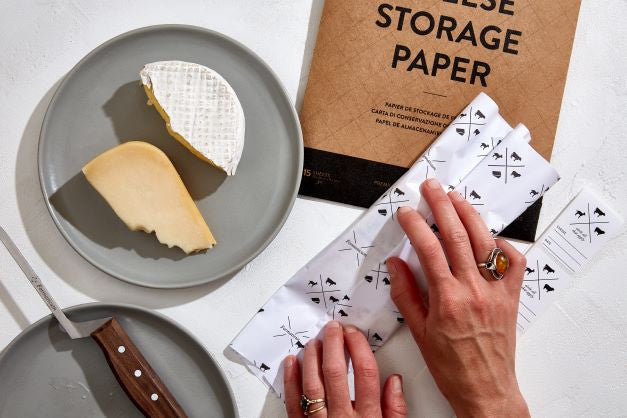
Have you ever been in front of a cheese counter, unsure of where to begin? Don’t worry, we can help with that. Understanding the 5 basic types of cheese will help guide you at the cheese counter and make it easier to go home with the perfect selection. No matter the type, try to only buy as much cheese as you can eat within a few days. If you find yourself with a lot of cheese, we’ll help you keep it fresh with Formaticum’s cheese paper and cheese storage bags.

Why Cheese Storage Matters

Learning how to store cheese properly will go a long way toward enjoying its flavor and aroma, reducing waste, and getting the most out of your purchase. And it doesn’t have to be complicated!

Proper cheese storage will ensure freshness and quality, and extend its life. It keeps too much moisture from forming and creating mold. The right storage balances airflow and moisture to prevent drying.

Also, prevent other strong flavors and aromas from affecting the cheese's taste by properly storing it.

Common Mistakes People Make When Storing Cheese

When storing cheese, one of the most common mistakes is wrapping it in plastic wrap. Covering cheese in plastic wrap can “smother” it or cause it to sweat. That moisture buildup speeds spoilage and also affects flavor and texture.

On the other hand, NOT wrapping it in something may cause it to dry out. Use wax paper, parchment paper, or cheese paper. These are a little bit porous, creating a better ratio of air to moisture.

You can even wrap hard cheeses in aluminum foil to regulate airflow and keep them from drying out; just use some wax paper first.

Another big mistake is freezing cheese. It just won’t have the same texture.

How to Store Different Types of Cheese

There are five basic categories of cheese. How you store each of them will greatly enhance enjoyment, flavor, and shelf life.

  • Fresh cheese: mild, unaged, with high moisture content, like fresh mozzarella.
  • Soft-ripened: creamy and rich soft cheeses, like Brie.
  • Semi-hard: medium moisture, cheese that’s good for slicing (like Cheddar, Swiss)
  • Hard cheeses: low-moisture and good for grating (like Parmesan)
  • Blue cheeses: the blue veins offer pungent flavor.

Let’s dig a little deeper and learn how to best store cheese (by type) to keep it fresh. Wax paper, parchment paper, and cheese paper are optimal for most cheeses. Aluminum foil can work in some cases, but always, ALWAYS avoid putting your cheese in plastic wrap. It creates too much moisture and may allow other flavors from other foods to interfere with the cheese (and your taste buds).

Formaticum has the exact right tools for storing your cheese.


Burrata

1.Fresh Cheese, like Burrata

Shelf-life: 1 – 3 Days

Store in: Formaticum Cheese Storage Sheets

This category includes anything that’s unaged and has no rind (think cheese curds or ricotta). These cheeses have the highest-moisture content, which means they have a soft texture that’s either spreadable like chèvre or crumbly like feta. It also means they’ll spoil quickly, so eat them just a few days after opening. The only exception is Feta will last a couple of weeks when stored in its brine.


Casatica di Bufala

2.Bloomy Rind Cheeses, like Casatica di Bufala

Shelf-life: 5 – 10 days

Store in: Formaticum Cheese Storage Sheets

Any cheese with a white, pillow-y outside is in the bloomy rind family. A lot of these cheeses have unctuous, buttery flavors that develop notes of mushrooms and earth near the rinds. They can be soft and oozing like camembert, or dense and cakey like Humboldt Fog. Their shelf-life depends on their ripeness: if it’s oozing, eat it within a couple days. If it’s firm, you have more time. Keep them in storage sheets to prevent them from getting squished.


Gubbeen

3.Washed Rind Cheeses, like Gubbeen

Shelf-life: 7 – 14 days.

Store in: Formaticum Cheese Storage Sheets or Formaticum Cheese Storage Bags

If you see a cheese with a red, pink, or orange rind, you can safely assume that it’s stinky. These are washed-rind cheeses, and while their funky aroma can be strong, they’ve got a much bigger bark than bite. Underneath the stinky rind, it’s usually much milder with a custard-y interior that melts in the mouth with broth-y, savory, and beefy notes. Store soft, gooey wheels in storage sheets, and firmer, more durable ones in bags.


Moringhello

4.Aged Cheeses, like Moringhello

Shelf-life: 3 – 4 weeks

Store in: Formaticum Cheese Storage Bags

This is the broadest category of cheese, and includes everything from semi-firm Havarti to crunchy Parmigiano Reggiano. The oldest wheels have the lowest moisture content and are great for any traveling turophiles, since they’ll do fine outside of refrigeration. They’re very durable and can even develop crunchy crystals as they age. Younger ones will last 2 – 3 weeks, while older ones like Parmigiano can keep for over a month.

Rogue River Blue

5.Blue Cheeses, like Rogue River Blue

Shelf-life: 1 – 2 weeks

Store in: Formaticum Cheese Storage Bags

The most polarizing of all cheeses: you either love it or you hate it. Blue cheeses have a mold stirred in to the vat, creating pockets or streaks of blue, gray, or even green. These pockets need oxygen to grow, so many blues are pierced with needs to create airflow. They also have extra salt to help the molds develop. Soft, creamy blue cheeses like Cambozola will stay fresh for a week, and firm, crumbly ones like Stilton can last twice as long.

What to Use to Store Cheese (and What Not to Use)

Let’s start with what NOT to use to store cheese, namely, plastic wrap. Cheese in plastic wrap can’t breathe. That can make the cheese “sweat,” leading to a slimy buildup of moisture that can affect flavor and promote mold growth.

Aluminum foil can work in a pinch, especially for hard or semi-hard cheeses. It allows for a little bit of breathing and prevents it from drying out. But it’s still best to wrap it in a bit of wax paper, cheese paper, or parchment first as an extra layer of protection.

Optimally, fully wrap cheese in cheese paper, parchment paper, or wax paper. These items are a bit porous, so the airflow and moisture balance aren't right. 

Mark the date on the wrapper, then store it in your refrigerator's crisper drawer. This section has optimal humidity.

Some soft cheeses, like fresh feta or fresh mozzarella, should be stored in their own brine and refrigerated.

Never freeze cheese; it completely ruins the texture. Also, keep foods or other cheeses with strong aromas as separate as possible.

Recommended Storage Products

Formaticum has the exact right tools and equipment for sophisticated cheese lovers. From the right knives and cheese boards, to the proper storage products that ensure freshness and flavor. Shop our selection and discover how they’ll elevate your experience.

  • Cheese paper: made from cellulose, it’s porous, allowing for oxygen exchange. Great for aged cheeses.
  • Cheese bags: porous to let it breathe, but also retain enough moisture to keep something like Gruyere fresh.
  • Storage sheets: Instead of plastic wrap, these reusable storage sheets offer that same convenience but in a “breathable” form.

Conclusion

It takes months (literally) for really great cheese to be ready for market. Respect the skills and effort of the artisans, and the time put into its creation and aging, by giving it the best chance for a full-flavored life.

The complex, delicious flavors and satisfying textures of artisanal cheese are so worth preserving! Taking a little time to properly store your carefully selected cheese will ensure you can enjoy every little bite throughout its full shelf life.

The first step is choosing the right material to wrap it in. We can’t say this enough: avoid plastic wrap! Opt for a material that lets cheese breathe: porous cheese paper, parchment, or wax paper is better.

The next step is to store your cheese in conditions that maintain proper humidity. Back in the day, cool caves and cellars were used; these days, the crisper drawer in your fridge is perfect!

It’s also important to maintain your cheese's flavor by storing it separately from foods with strong aromas; you don’t want that “cross-contamination.”

These few simple steps will maximize your enjoyment of the exciting flavor palette found in the cheese world. And don’t forget to use the proper cutting tools; they go a long way toward enhancing not just the presentation, but the enjoyment of it.

When it comes to fabulous cheeses, savor them all!

Frequently Asked Questions

What is the best way to store cheese in your fridge?

First, it should be wrapped in a breathable material (like cheese paper, wax paper, or parchment). 

Unlike plastic wrap, this will prevent excess moisture from building up, but still allows enough moisture in to keep it fresh. Then, store it in the crisper section of your refrigerator for optimal humidity.

Can you store cheese in plastic wrap?

Please, just…don’t. Plastic wrap “smothers” cheese, allowing excess moisture to build up, which can affect flavor and lead to mold. It’s better to use cheese paper, cheese storage sheets, parchment paper, or wax paper instead. These are porous, but still allow enough moisture in to keep the cheese fresh or from drying out.

How to prolong the life of cheese?

When it comes to storing cheese, the first step is to use only what you’ll need. The more you cut or slice it, the more surface area is exposed, which can speed spoilage.

Then, the proper storage method is essential. Avoid plastic wrap, since it “smothers” the cheese and creates too much moisture. Opt for porous wax, parchment, or cheese paper. Fresh cheeses, like mozzarella and feta, should be kept in their own brine in the refrigerator.

The crisper section provides the optimal humidity environment for cheese of all kinds.


4 Tips for a Perfect Cheese Plate

4 Tips for a Perfect Cheese Plate

4 Tips for a Perfect Cheese Plate

There’s nothing like those first ooh’s and ah’s from your guests when they catch sight of a beautiful cheese spread. Once you know the basic rules of building an impressive cheese platter, they’re actually very easy to throw together. Here are 4 rules to help you build a beautiful cheese board every time.

1. Choose 3 - 6 kinds of cheese

This will give you enough variety, without overwhelming your palate. Look for a variety of milk-types, styles, ages, and textures. If the cheese plate is an appetizer, you want to feed each person 1 - 2oz of cheese total. If it’s the main course, aim for 3 - 4oz.

2. Add a variety of accompaniments

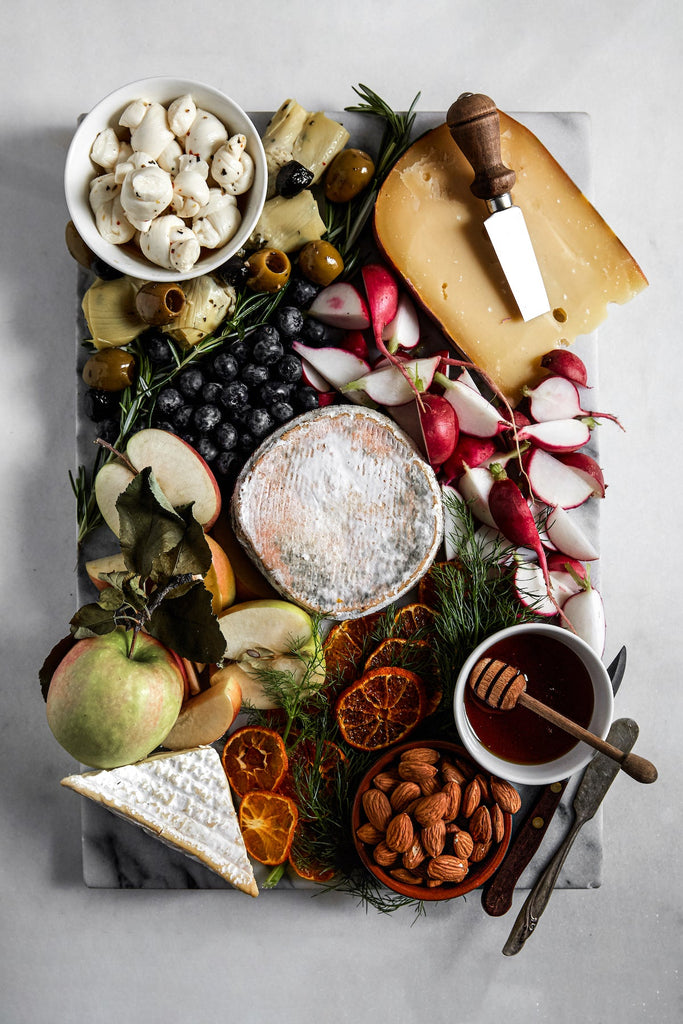
Get creative and pair your cheese with a mix of sweet, savory, juicy, and crunchy items. One accompaniment per cheese is a great rule of thumb. Keep messy things like olives and jams in a separate bowl to keep it from contaminating the cheese.

How to Build a Cheese Plate

3. Bring everything to room temperature

Refrigeration dulls the flavor and changes the texture of cheese, so let the soft ones sit out for 20 minutes, and firmer wedges for up to an hour. Accompaniments taste better at room temperature as well.

4. Cut the cheese just before serving

You don’t need to break down every wedge, but slicing off a few pieces will help guide your guests and keep your platters pretty. Check out our guide to cutting cheese here, and remember to use a different knife for each cheese so you don’t mix flavors  

Got some leftovers? Just wrap each wedge of cheese in Formaticum.


What Is Raw Cheese? Everything You Need to Know

What Is Raw Cheese? Everything You Need to Know

Have you ever crumbled off a chunk of classic Parmigiano Reggiano and wondered what made it so delicious? Well, one reason why this Italian cheese is so delightful is because it is made with raw milk. But what exactly does that mean? Raw cheese is made with milk that hasn’t been pasteurized or heated in order to kill off bacteria. Pasteurization can be beneficial since it can eliminate any potentially harmful pathogens, but it can also destroy native cultures that contribute to a cheese’s flavor, texture, and complexity.

When made correctly, raw milk cheese is safe to eat and can result in some of the tastiest and most traditional cheeses out there. That’s not to say that pasteurized cheeses are any lesser; we just think it’s time you try some raw milk cheese, too.

What Is Raw Cheese?

Raw cheese is made from animal milk (like that from a cow, goat, or sheep) that hasn’t been pasteurized. The pasteurization process heats the milk to kill potentially harmful bacteria; raw cheese skips this step, preserving enzymes, healthy probiotics, beneficial bacteria, vitamins, and minerals. It also has a healthy fat content and is more nutritionally robust than pasteurized milk cheeses.

The taste is richer and more nuanced. The texture and aroma of raw-milk cheeses (like Roquefort or Parmigiano Reggiano) are more complex. 

How Raw Cheese Is Made

Raw cheese begins with unpasteurized milk. Instead of the high heat used to destroy potentially harmful bacteria in most cheese production, the milk is gently warmed. Beneficial bacteria and rennet (an enzyme) are added to help the milk form a solid curd.

The curds are cut, stirred, and slowly warmed. They gradually shrink and expel liquid whey. Ultimately, the curds are drained, pressed, and salted to form a block. In the USA, the raw cheese is aged for at least 60 days. Aging is key to the cheese-making process. The longer it ages, the sharper the taste. Aging is also the process of keeping it safe for consumption.

Raw Cheese vs. Pasteurized Cheese

Cheese lovers note that the flavors in raw-milk cheese are richer and more complex than those in pasteurized-milk cheese. The textures and aromas are also more intense.

Raw milk cheese has a higher nutritional value than processed cheeses because it preserves healthy bacteria, enzymes, vitamins, and minerals. It’s appreciated by foodies for its artisanal qualities. Because of their milder flavors and the heating process, pasteurized cheeses are preferred by groups like kids and pregnant women.

Is Raw Cheese Safe?

Aging is a key process in making raw cheese, as it naturally reduces moisture (and thus potentially harmful bacteria) over time. A hard cheese, like Parmesan or Cheddar cheese, that’s been aged for at least 60 days, is generally considered safe to consume. Same for raw soft cheese like Brie or Gouda.

Another safety factor to consider is the cleanliness of the farm where the raw milk comes from, as well as the facility where the cheese is produced. Those greatly reduce the risk of exposure to pathogens or contaminants.

Benefits of Raw Cheese

Raw milk cheese is rich in healthy fats and probiotics that support gut health and digestion. It’s rich in essential vitamins and minerals, including vitamins A, B-complex, D, and K2. 

There is loads of calcium and protein in raw cheese. This helps maintain healthy bones. Plus, the presence of amino acids supports the immune system.

Types of Raw Cheeses

There are many delicious raw cheeses out there. Choose something like a rich raw-milk cheddar or an artisanal soft Camembert. Here are some of the favorites that sophisticated cheese lovers prefer in raw milk cheeses. Savor the rich flavors and aromas that are a signature of cheese made from unpasteurized milk.

Parmigiano Reggiano

There are a lot of look-a-likes made in the United States masquerading under the shortened title of “Parmesan”, and these versions are usually pasteurized. The Italian original is rich with savory, umami flavors and crunchy crystals. It’s obviously delicious on pasta, but we recommend breaking chunks off of a wedge and pairing with Champagne.

Gruyère from Switzerland

You may have encountered this famous Swiss cheese on top of French Onion soup or inside a grilled cheese, but have you ever tried it on its own? With notes of toasted hazelnuts and brown butter, this classic cheese is delicious sliced razor thin and dolloped with onion jam.

Roquefort from France

Some say Roquefort is the original blue. Legend has it that centuries ago, a shepherd became distracted by a young maiden just after sitting down to a lunch of cheese and bread in a cave. He went after her unsuccessfully, only to return days later to some moldy bread and blue-speckled cheese. Upon tasting it, he fell in love with the punchy flavor—and Roquefort was born. While we don’t know if that legend is true, we do know that the herbaceous, spicy notes in this sheep’s milk beauty tastes lovely with Sauternes.

Pleasant Ridge Reserve from Uplands Cheese (pictured above)

Made in the style of French Beaufort, this Wisconsonian is the most awarded cheese in America. Cheesemaker Andy Hatch uses only native cultures to make this firm, snackable cheese, resulting in notes of grass, sour cream, and melted leeks. Try it on its own, or pair with some salami for a perfect ploughman’s lunch.

Grayson from Meadow Creek Dairy

This American original is similar to Italian Taleggio, but it comes from Virginia. The bright orange rind is an immediate signifier of the pungent nature. Underneath, it’s much more mild with flavors of steak, leeks, and custard. Try it alongside a Belgian Dubbel: the sweetness mellows out the funk.

Bayley Hazen Blue from Jasper Hill Farm

Hailing from Vermont, Bayley Hazen is a fudgy blue similar to Stilton, which is actually legally required to be pasteurized by English law. This raw-milk, American version has deep earthy flavors and a slight fruity sweetness, similar to dark chocolate. We like it best with a juicy IPA, which teases out the tropical notes.

Reading Raclette from Spring Brook Farm

Another Vermont native, this firm, meltable cheese is modeled after Swiss Raclette, which is traditionally served heated under a special grill and scraped onto potatoes. It’s a wonderful melter, but it also shines on a cheese platter. Bring out the notes of onions and meats with a swipe of whole grain mustard and rye toast points.

How to Store Raw Cheese Properly

How to Store Raw Cheese Properly

Store raw cheese by either wrapping it in parchment paper, cheese paper, or wax paper. Rewrap with a fresh piece after each use. Avoid using plastic wrap because it smothers the cheese and traps moisture, which can lead to mold and potentially harmful bacteria.

The vegetable crisper drawer in your refrigerator is the best place to store raw cheese, as it offers optimal humidity. Keep your cheese away from other strong-smelling foods, so that it won’t pick up their flavor. And avoid freezing it; that will ruin the texture.

If you’re storing a soft, raw cheese, like Feta or fresh Mozzarella, keep it in its brine.

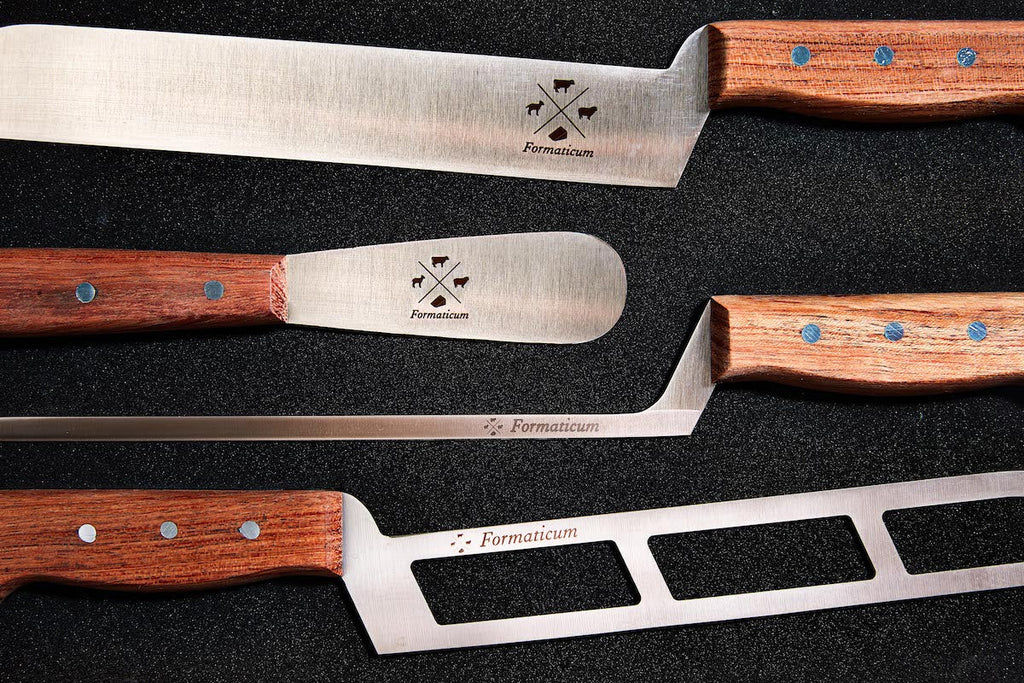
Only slice what you plan to use, as slicing speeds spoilage by increasing the cheese's surface area. Pro Tip: Formaticum offers a complete range of tools for expertly cutting, slicing, and serving quality cheese of all kinds, so you don’t waste a bit!

Frequently Asked Questions

What are examples of raw cheese?

Cheese made from raw milk can range from hard to soft. They include hard cheeses like Parmigiano-Reggiano, Cheddar, and Asiago, as well as tempting soft cheeses such as Fontina, Brie, and Roquefort.

Can you buy raw cheese in the US?

Yes, although some states require raw milk cheese (or “unpasteurized”) to be labeled as such. Some labels may include warnings about the presence of potential pathogens, such as Listeria. In the US, the FDA insists that the cheese be aged for at least 60 days.

Is mozzarella a raw cheese?

Most commercial mozzarella cheese is made from pasteurized milk. However, some forms of fresh mozzarella are made from raw milk. These are stored in brine.


cheese

Formaticum News

Our home to share our cheese chronicles and more.


Categories


Recent Posts

What Is a Paring Knife Used For — Definitive Guide (2026)

What is a Cheesemonger? - Complete Guide to the Role, Skills & Why It Matters

Cheese Knife Types Explained: Uses, Shapes & Tips


Upcoming Events


Connect with Us


Join the Newsletter

Sign up to receive special offers, new product releases, updates from the cheese shop, and more.