
As seen in









Formaticum Cheese Blog
Leap Into Something New in 2024!
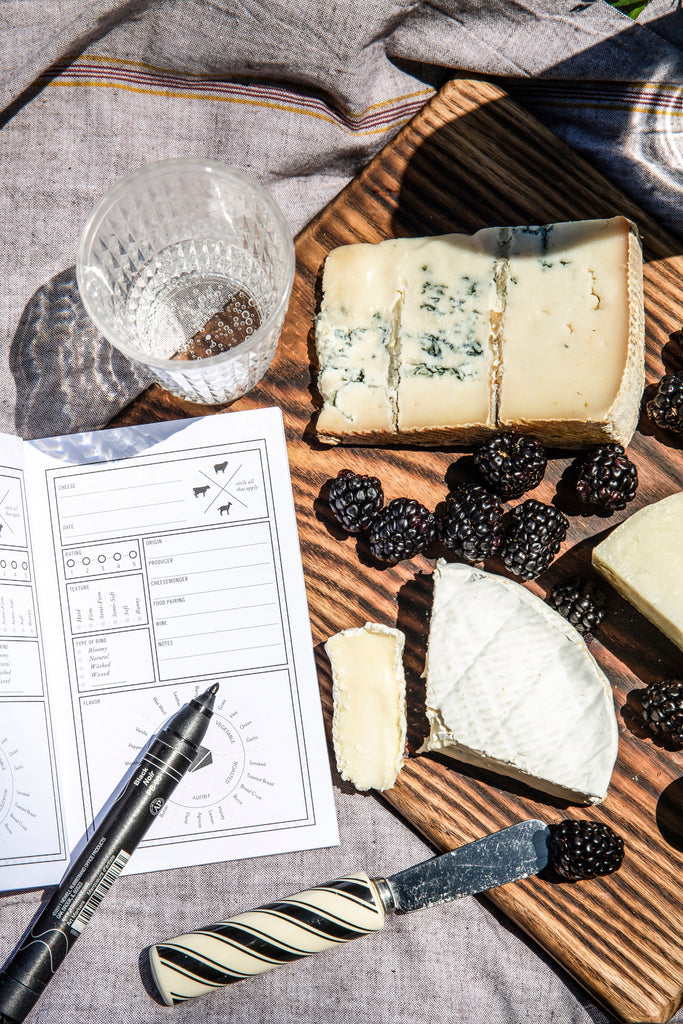
This year is a Leap Year, meaning there is one extra day in February to eat cheese! If you're stuck in the same routine, week after week, buying the same quarter pound of the same cheese, it's time to Leap into something new for 2024.
Cheesemongers are your tour guide through the cheese case, so don't be afraid to ask for their assistance. They are a wealth of knowledge and are always ready to help you find your next favorite cheese.
To help you get started on your new cheese journey, we've put together a list of some popular cheeses that can help expand your palate and horizons. The list contains some of the more popular cheeses, as well as some suggestions for new things to try that are either similar or the next step to elevate your palate and knowledge.
If you like Humboldt Fog, try an ash-ripened chèvre like Valençay, Selles-sur-Cher, or Blakesville Creamery Linedeline.
If you like Midnight Moon, try Brabander or OG Ghost.
If you like Brie, try Jasper Hill Harbison, Nancy's Camembert, or Moses Sleeper.
If you like Manchego, try Ossau Iraty, Pecorino Sardo, Zamorano, or a traditional raw milk farmhouse Manchego.
If you like Delice de Bourgogne, try Brillat-Savarin, Tulip Tree Trillium, or Nettle Meadow Kunik.
If you like fresh chèvre or goat cheese, try an aged goat cheese like Bucheron, Leonora, or Blakesville Creamery Lake Effect.
If you like block cheddar, try a raw milk block cheddar like Shelburne Farms Cheddar, or even a clothbound cheddar like Montgomery's Cheddar or Cabot Clothbound.
If you like Gruyère, try Uplands Cheese Pleasant Ridge Reserve, Comté, or Beaufort.
If you like Jarlsberg, ask to taste the original Swiss cheese - authentic Emmentaler AOP.
If you like Beemster, try L'Amuse Gouda, Jake's Aged Gouda, or OG Kristal.
If you like Stilton, try Stichelton or Bayley Hazen Blue.
If you like Roquefort, try Fourme d'Ambert or Gorgonzola Piccante.
If you like Piave, try Sapore del Piave, KM 39, or Montasio.
If you like Parmesan, try real Parmigiano Reggiano or Grand Padano.
Once you've selected your cheese and your monger has cut you a piece, it's important to properly care for the cheese once you get it home. Formaticum Reusable Cheese Storage Bags & Sheets are perfect for most styles of cheese and will keep it healthy in your fridge so that the flavor stays as fresh as the day you tasted it in the shop. If you're adventurous, you can ask your cheesemonger to teach you how to wrap like a pro with the Reusable Cheese Storage Sheets, or check out our wrapping tutorials on our website and social media. Reusable Cheese Storage Bags are a quick and easy way to store your cheese without any complicated wrapping techniques involved. Purchase a package on your next cheese shop excursion so that you always have professional cheese storage at your fingertips in the future.
What Is Rennet? Everything You Need to Know
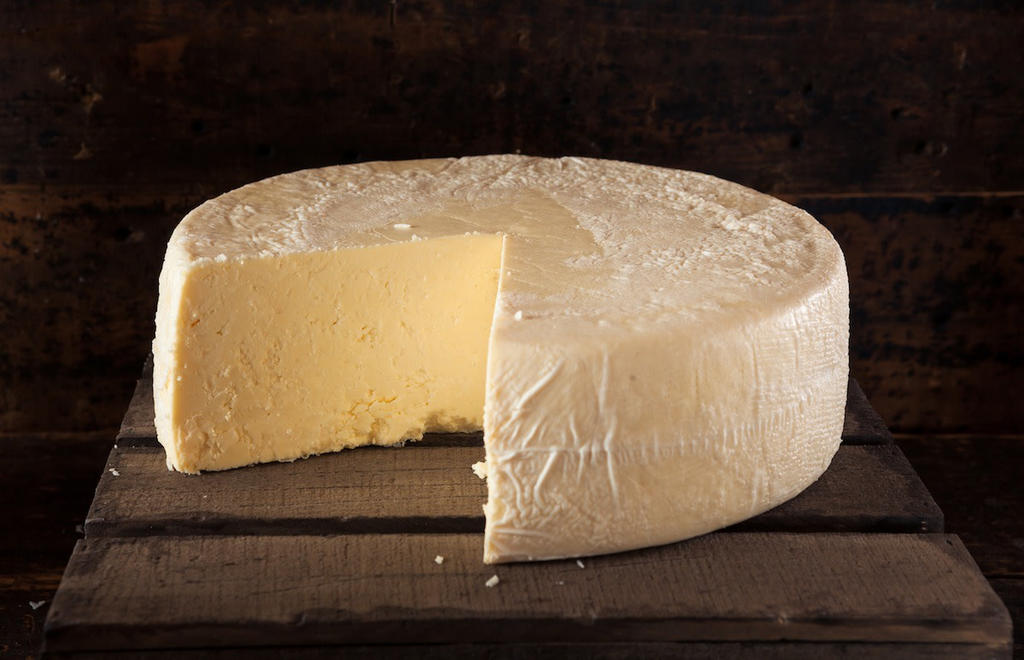
We all know the popular nursery rhyme about Little Miss Moffett eating her curds and whey, but you might not be quite as familiar with rennet. Simply put, rennet is an enzyme that coagulates milk and separates it into the aforementioned curds and whey. But where does it come from, and what does it do for the cheese?
What Is Rennet in Cheese?
Rennet is a natural enzyme used in cheesemaking to transform liquid milk into solid curds. It works by acting on casein, the primary protein in milk, causing it to coagulate and separate into curds (solids) and whey (liquid). These curds are then cut, cooked, pressed, or aged to create different styles of cheese.
Without rennet, many of the cheeses we recognize today, especially firm, aged varieties, wouldn’t exist. While some cheeses rely on acid or bacterial cultures alone to coagulate milk, rennet allows cheesemakers greater control over texture, structure, and aging potential. This is why it plays such a crucial role in producing everything from supple, sliceable cheeses to hard, long-aged wheels.
Rennet can come from animal, microbial, or plant-based sources, but regardless of origin, its purpose remains the same: to initiate the transformation of milk into cheese.
Why Is Rennet Used in Cheese Making?
So, what is rennet in cheese? Rennet is a vital enzyme mixture used in the cheese-making process. It’s used to coagulate milk. As casein protein breaks down in liquid milk, clumps form. The rennet enzymes help separate solid curds from the liquid whey.
The end result creates the texture and structure of cheese. By controlling the firmness of these curds, cheese producers can create everything from a soft cheese like Brie to a hard one like Parmesan.
Coagulation is the first step of cheesemaking, separating the solids (curds) from the liquid (whey) so that the solids can be manipulated in different ways, eventually resulting in cheese. Some cheeses are lactic- or acid-coagulated, meaning the process is driven by lactic acid bacteria present in the milk. However, many cheeses—especially hard or aged varieties—are made using rennet.
Rennet-coagulated cheeses use animal, microbial, or vegetable-based rennet to form curds with a firmer structure. Traditional rennet is derived from the fourth stomach (abomasum) of young ruminant animals, while vegetable-based rennet comes from plant sources such as thistle. Microbial rennet is produced using organisms like mold, yeast, or fungi.
Each type of rennet offers distinct benefits. Traditional rennet is often preferred for longer-aged cheeses, while microbial and vegetable rennets are suitable for vegetarians and are more widely used today. Some cheesemakers also use a combination of rennet types to achieve specific textures and flavors.
Types of Rennet
Traditionally, animal rennet from the stomach lining of a lamb, kid, or calf is used in the cheesemaking process. It contains a complex combination of enzymes to help curdle the milk.
However, the use of something like calf rennet is on the decline for both ethical and religious reasons, as well as due to availability. Vegetable rennet (also known as plant rennet) is drawn from sources like figs or thistles, and has similar coagulating properties needed for the liquid rennet used in making cheese.
Which Cheeses Use Rennet?
Traditionally, many hard cheeses have used animal rennet. These include Cheddar, Parmesan, Provolone, and Gorgonzola. Many soft cheeses, like cream cheese or ricotta, rely on plant rennet to help the milk coagulate.
More and more, cheese makers are turning to vegetable or plant-based options to replace animal rennet. Look for labels including “microbial rennet” or “plant-based enzymes.”
Pro tip: no matter what kind of cheese you prefer, trust Formaticum for the best selection of cheese knives, cheese paper, and cheese storage bags to enjoy your cheese!
Is Rennet Vegetarian or Vegan?

Of course, traditional animal rennet is used in the cheesemaking process for certain kinds of cheese. Therefore, it’s definitely not vegetarian or vegan.
However, more manufacturers are turning to plant-based rennets for the fermentation process needed to make cheese. Check labels for “microbial rennet,” “plant rennet,” or “vegetable rennet.”
Frequently Asked Questions
What is rennet made from?
Traditionally, rennet has been made from an enzyme mixture found in the stomach linings of calves, sheep, and kids. However, there is plant-based or vegetable rennet with a similar acidifying ability to coagulate milk for cheese production.
What cheeses contain animal rennet?
Many traditional hard cheeses use animal rennet. These include many types of Cheddar, Stilton, Parmigiano-Reggiano, Swiss, and Gorgonzola. Labels will include either “animal rennet” or simply “enzymes.”
Is rennet safe to consume?
Rennet is an enzyme complex used for centuries to produce cheese. Whether it’s animal rennet or plant-based, it’s safe to consume.
Is microbial rennet vegetarian?
Yes. It’s derived from fungi, yeast, or molds versus the stomachs of animals. It has the same milk-clotting effect needed for cheese production, making it a great option for vegetarian or Kosher diets.
Be Moine, Valentine: Give Them Rosettes Instead of Roses
This Valentine's Day, give them what they really want: cheese.
A bouquet of roses is a time-honored Valentine's Day tradition, but what about giving your special someone an 800-year old Swiss cheesemaking tradition? Tête de Moine rosettes are the perfect gift for the cheese lover in your life.
Tête de Moine is a raw milk cheese from Switzerland that was first made by the monks of the Bellelay Abbey in the Jura in the 12th century. Made from whole milk produced by cows who freely graze on fresh Alpine grasses and herbs, the flavor is slightly funky but not overpowering. Each bite boasts floral and brothy notes and flavors of sweet cream, toasted nuts, and stone fruit, along with a dense, fudgy texture. There are less than 10 creameries still producing this historic mountain cheese. As it ages on spruce boards for a minimum of 2.5 months, each wheel is brine-washed periodically to create a savory, slightly sticky rind.
Tête de Moine translates to "monk's head," a reference to the way it is traditionally shaved on a girolle rather than cut with a knife, resembling the top of a monk's head. Curling Tête de Moine into paper-thin rosettes allows the cheese to melt in your mouth, coating your entire palette with flavors of Swiss terroir. It also appropriately pairs well with chocolate!
For best results, we recommend making rosettes on your girolle very soon after you remove the cheese from the fridge, while it is still cold. When you're done curling, remove the remaining piece of cheese from the girolle and place it inside Formaticum Reusable Cheese Storage Bags to keep it fresh and healthy until next time!
Honor the Cheesemakers (& Importers, & Distributors & Mongers…), Save Your Cheese with Formaticum
If you've been to a cheese shop or counter recently, you may have suffered some sticker shock - it's no secret that everything has gotten more expensive lately, but how much do you really know about the cost of real cheese? Good cheese usually isn't cheap, but the sticker shock is also directly connected to consumers' removal from the food system as a result of big box grocery stores and industrialization. In order to reconnect with our cheese, and develop a deeper appreciation for these products, we must first understand just how much work, passion, and knowledge is required to produce a wheel of real cheese and get it into our hands. Good cheese is an investment! Keep reading below to learn what it takes to get cheese from the farmer to your fridge, and how you can protect your investment and maintain your cheese's flavor. The price tag for real cheese represents not only the cheese itself, but the collective skill and labor of everyone involved in the process.
It would take days to describe every detail of how a wheel of cheese gets from the maker to the counter, but what's important to focus on is the number of hands that (literally and metaphorically) touch the cheese on it's journey to the shop. It's also important to remember that higher quality ingredients, equipment, and feed for the animals, for example, are expensive. There is no substitute for human skill and intuition when it comes to making and aging cheese, and employing humans instead of robots is expensive. And no robot can fully understand hundreds of years of cheesemaking tradition and technique.
We rightfully celebrate the farmer and the cheesemaker and the affineur, but we should also consider the people who clean the vats, and mop the floors, and wrap the cheeses, just to name a few. Additionally, the longer the cheese is aged, the fewer wheels of cheese can be produced, meaning each wheel will be more expensive but taste better than a cheese that was aged at an accelerated rate to make room for more cheese in the caves for faster cash. Longer, more deliberate aging also represents a significant cash flow issue for cheesemakers and affineurs, since they do not get paid until the cheese is sold - and this labor of love is often a skill handed down through generations in family businesses! So the price tag does not only represent the cheese itself, but the sometimes hundreds of years of technique and tradition that is present within that wheel.
Once the cheese is ready for sale, it needs to be packed up and moved from the aging facility to its next destination, which might be a port where the cheese will loaded onto a container by hand to be shipped overseas. Aside from the cost of transport to the port and ocean freight, importing cheese has costs associated with customs paperwork and FDA involvement, among other things. The cheese then spends 6 or more weeks in a temperature-controlled shipping container traveling to its next destination, where it will be unloaded by more human beings and cleared by the FDA. Since cheese is a living product, it must be meticulously packed up and maintained during transit so that it will arrive in good condition. It's then picked up by distributors, who need to make a profit off of it, and who will transport that cheese to the stores that will cut and sell it by hand, also for a profit so that employees and bills can be paid and more cheese can be purchased. Not to mention the high skill level and encyclopedic knowledge of the cheesemongers who care for the cheese once it reaches the cheese counter!
This is just the tip of the iceberg and does not even begin to cover the amount of labor and skill that is involved in every step of importing cheese. Understanding at least a small part of the process will help you start to appreciate how much work goes into getting you that quarter pound of aged Gouda or a perfectly ripe Camembert. Getting cheese from the farmer to the consumer is an incredibly nuanced process that requires an incredible amount of skill and knowledge from many different people!
But if waxing poetic about cheesemaking traditions and shipping logistics isn't enough to convince you, the most effective way to create a meaningful and emotional connection with your cheese is to taste it. Every bite contains years of passion, tradition, and experience across different countries and hundreds of people. The best way to honor this work is to uphold the same standard of care that everyone else along the way has shown your cheese - storing and wrapping your cheese in Formaticum Cheese Storage Bags & Paper will ensure that your cheese can breathe, maintains the perfect humidity levels, and most importantly, tastes great. Continuing a high standard of care at home is a great way to show respect for everyone else in the supply chain who worked so hard to get the cheese to you - and experience the flavor of the cheese as the cheesemaker intended!

Bienvenue sur le blog de formaticum
Notre maison pour partager nos chroniques fromagères et plus encore.
Categories
Messages récents
Wire Cheese Cutter Vs Traditional Knife: Choosing the Right Tool for Your Cheese
5 Best Knives for Cutting Different Types of Cheese
10 Cheese Storage Tips to Keep It Fresh Longer
Upcoming Events
6 mars 2022 - 15:00
Festival du fromage artisanal de Californie
26 -27 mars 2022
Centre d'événements du comté de Sonoma
1350, chemin Bennet Valle
Santa Rosa, Californie 95404
Connecte-toi avec nous
Rejoignez la newsletter
Inscrivez-vous pour recevoir des offres spéciales, des lancements de nouveaux produits, des mises à jour de la fromagerie, et plus encore.