
As seen in









Formaticum Cheese Blog
What Is Raw Cheese? Everything You Need to Know
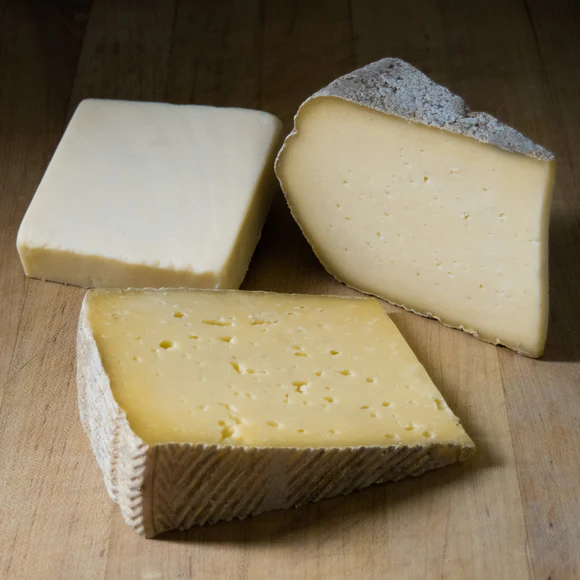
Have you ever crumbled off a chunk of classic Parmigiano Reggiano and wondered what made it so delicious? Well, one reason why this Italian cheese is so delightful is because it is made with raw milk. But what exactly does that mean? Raw cheese is made with milk that hasn’t been pasteurized or heated in order to kill off bacteria. Pasteurization can be beneficial since it can eliminate any potentially harmful pathogens, but it can also destroy native cultures that contribute to a cheese’s flavor, texture, and complexity.
When made correctly, raw milk cheese is safe to eat and can result in some of the tastiest and most traditional cheeses out there. That’s not to say that pasteurized cheeses are any lesser; we just think it’s time you try some raw milk cheese, too.
What Is Raw Cheese?
Raw cheese is made from animal milk (like that from a cow, goat, or sheep) that hasn’t been pasteurized. The pasteurization process heats the milk to kill potentially harmful bacteria; raw cheese skips this step, preserving enzymes, healthy probiotics, beneficial bacteria, vitamins, and minerals. It also has a healthy fat content and is more nutritionally robust than pasteurized milk cheeses.
The taste is richer and more nuanced. The texture and aroma of raw-milk cheeses (like Roquefort or Parmigiano Reggiano) are more complex.
How Raw Cheese Is Made
Raw cheese begins with unpasteurized milk. Instead of the high heat used to destroy potentially harmful bacteria in most cheese production, the milk is gently warmed. Beneficial bacteria and rennet (an enzyme) are added to help the milk form a solid curd.
The curds are cut, stirred, and slowly warmed. They gradually shrink and expel liquid whey. Ultimately, the curds are drained, pressed, and salted to form a block. In the USA, the raw cheese is aged for at least 60 days. Aging is key to the cheese-making process. The longer it ages, the sharper the taste. Aging is also the process of keeping it safe for consumption.
Raw Cheese vs. Pasteurized Cheese
Cheese lovers note that the flavors in raw-milk cheese are richer and more complex than those in pasteurized-milk cheese. The textures and aromas are also more intense.
Raw milk cheese has a higher nutritional value than processed cheeses because it preserves healthy bacteria, enzymes, vitamins, and minerals. It’s appreciated by foodies for its artisanal qualities. Because of their milder flavors and the heating process, pasteurized cheeses are preferred by groups like kids and pregnant women.
Is Raw Cheese Safe?
Aging is a key process in making raw cheese, as it naturally reduces moisture (and thus potentially harmful bacteria) over time. A hard cheese, like Parmesan or Cheddar cheese, that’s been aged for at least 60 days, is generally considered safe to consume. Same for raw soft cheese like Brie or Gouda.
Another safety factor to consider is the cleanliness of the farm where the raw milk comes from, as well as the facility where the cheese is produced. Those greatly reduce the risk of exposure to pathogens or contaminants.
Benefits of Raw Cheese
Raw milk cheese is rich in healthy fats and probiotics that support gut health and digestion. It’s rich in essential vitamins and minerals, including vitamins A, B-complex, D, and K2.
There is loads of calcium and protein in raw cheese. This helps maintain healthy bones. Plus, the presence of amino acids supports the immune system.
Types of Raw Cheeses
There are many delicious raw cheeses out there. Choose something like a rich raw-milk cheddar or an artisanal soft Camembert. Here are some of the favorites that sophisticated cheese lovers prefer in raw milk cheeses. Savor the rich flavors and aromas that are a signature of cheese made from unpasteurized milk.
Parmigiano Reggiano
There are a lot of look-a-likes made in the United States masquerading under the shortened title of “Parmesan”, and these versions are usually pasteurized. The Italian original is rich with savory, umami flavors and crunchy crystals. It’s obviously delicious on pasta, but we recommend breaking chunks off of a wedge and pairing with Champagne.
Gruyère from Switzerland
You may have encountered this famous Swiss cheese on top of French Onion soup or inside a grilled cheese, but have you ever tried it on its own? With notes of toasted hazelnuts and brown butter, this classic cheese is delicious sliced razor thin and dolloped with onion jam.
Roquefort from France
Some say Roquefort is the original blue. Legend has it that centuries ago, a shepherd became distracted by a young maiden just after sitting down to a lunch of cheese and bread in a cave. He went after her unsuccessfully, only to return days later to some moldy bread and blue-speckled cheese. Upon tasting it, he fell in love with the punchy flavor—and Roquefort was born. While we don’t know if that legend is true, we do know that the herbaceous, spicy notes in this sheep’s milk beauty tastes lovely with Sauternes.
Pleasant Ridge Reserve from Uplands Cheese (pictured above)
Made in the style of French Beaufort, this Wisconsonian is the most awarded cheese in America. Cheesemaker Andy Hatch uses only native cultures to make this firm, snackable cheese, resulting in notes of grass, sour cream, and melted leeks. Try it on its own, or pair with some salami for a perfect ploughman’s lunch.
Grayson from Meadow Creek Dairy
This American original is similar to Italian Taleggio, but it comes from Virginia. The bright orange rind is an immediate signifier of the pungent nature. Underneath, it’s much more mild with flavors of steak, leeks, and custard. Try it alongside a Belgian Dubbel: the sweetness mellows out the funk.
Bayley Hazen Blue from Jasper Hill Farm
Hailing from Vermont, Bayley Hazen is a fudgy blue similar to Stilton, which is actually legally required to be pasteurized by English law. This raw-milk, American version has deep earthy flavors and a slight fruity sweetness, similar to dark chocolate. We like it best with a juicy IPA, which teases out the tropical notes.
Reading Raclette from Spring Brook Farm
Another Vermont native, this firm, meltable cheese is modeled after Swiss Raclette, which is traditionally served heated under a special grill and scraped onto potatoes. It’s a wonderful melter, but it also shines on a cheese platter. Bring out the notes of onions and meats with a swipe of whole grain mustard and rye toast points.
How to Store Raw Cheese Properly

Store raw cheese by either wrapping it in parchment paper, cheese paper, or wax paper. Rewrap with a fresh piece after each use. Avoid using plastic wrap because it smothers the cheese and traps moisture, which can lead to mold and potentially harmful bacteria.
The vegetable crisper drawer in your refrigerator is the best place to store raw cheese, as it offers optimal humidity. Keep your cheese away from other strong-smelling foods, so that it won’t pick up their flavor. And avoid freezing it; that will ruin the texture.
If you’re storing a soft, raw cheese, like Feta or fresh Mozzarella, keep it in its brine.
Only slice what you plan to use, as slicing speeds spoilage by increasing the cheese's surface area. Pro Tip: Formaticum offers a complete range of tools for expertly cutting, slicing, and serving quality cheese of all kinds, so you don’t waste a bit!
Frequently Asked Questions
What are examples of raw cheese?
Cheese made from raw milk can range from hard to soft. They include hard cheeses like Parmigiano-Reggiano, Cheddar, and Asiago, as well as tempting soft cheeses such as Fontina, Brie, and Roquefort.
Can you buy raw cheese in the US?
Yes, although some states require raw milk cheese (or “unpasteurized”) to be labeled as such. Some labels may include warnings about the presence of potential pathogens, such as Listeria. In the US, the FDA insists that the cheese be aged for at least 60 days.
Is mozzarella a raw cheese?
Most commercial mozzarella cheese is made from pasteurized milk. However, some forms of fresh mozzarella are made from raw milk. These are stored in brine.
How to Host a Vertical Cheese Tasting At Home
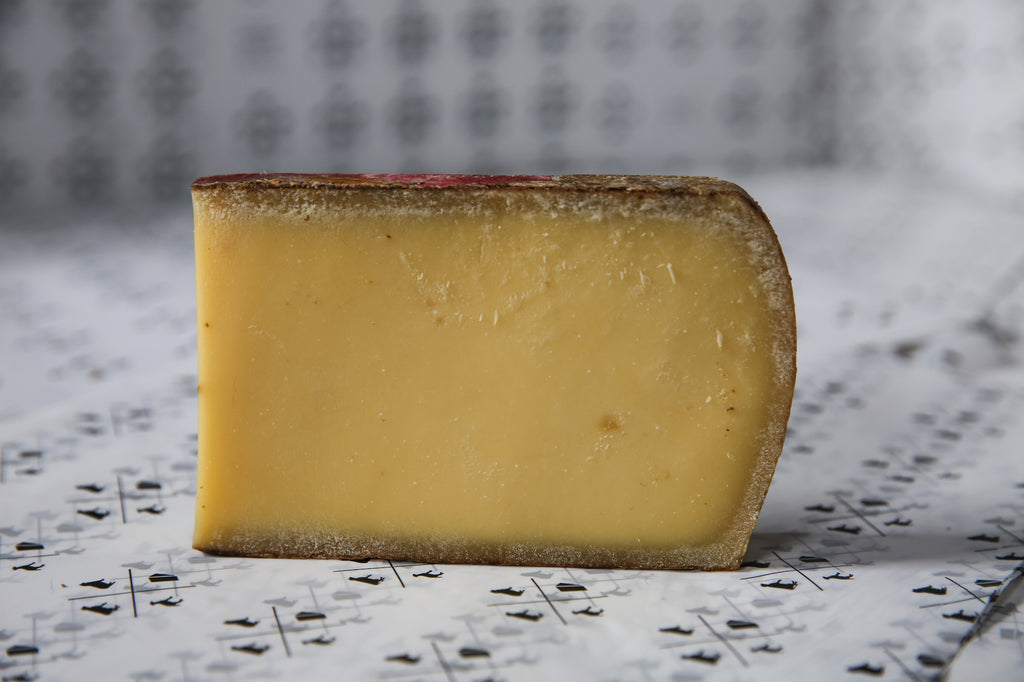
A vertical cheese tasting is a sampling of the same kind of cheese at different ages. It’s a delicious way to experience the subtle ways the seasons can affect a cheese’s flavor. It will also help you become acquainted with the many particular flavors that a specific cheese has to offer and help you learn how to talk about them, too.
To set up a vertical tasting, you just need to choose one specific cheese and buy a wedge at a few different ages. Ideally, it should be the same cheese from the same creamery, so you can see how dramatic or subtle the differences are, but since this is not always possible a good alternative is the same cheese. For example, get yourself a Comté at 6 months, 12 months, and 16 months. Some of these wedges will be made with summer milk when the cows are at pasture and eating a fresh diet of herbs, grass, and flowers, while the other will be made with winter milk when the cows are eating dry hay.
Here’s how to set up a vertical tasting for all your friends:
- Choose your cheese, and buy several different ages. Give everyone just under an ounce of each cheese, so they have plenty to taste.
- Gather your friends for a round-table style discussion. We recommend keeping it to fewer than ten people.
- Print out some facts about the cheese so you can learn all about it together. You’ll also want to provide each guest with paper and a pencil so they can take notes.
- Serve something bubbly, like sparkling wine or seltzer, to cleanse your palate between bites.
- Begin with the youngest cheese, and move towards the oldest.
- Once the tasting is over, be sure to wrap any leftovers in Formaticum to keep them fresh.
If you host a vertical cheese tasting at home, post a picture on Instagram and tag us! We’d love to see how it goes.
Why A Piece of Cheese is a Ticking Timebomb
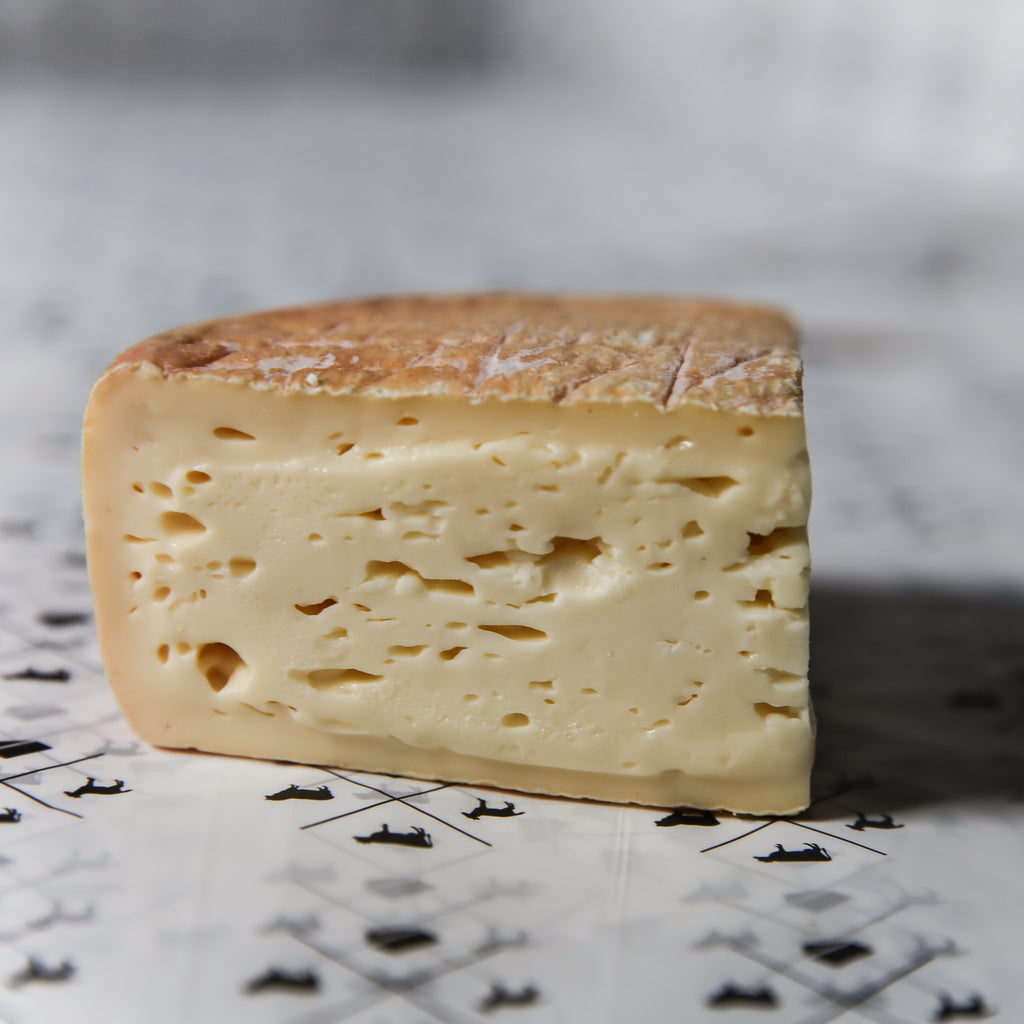
Here at Formaticum, we are all about cheese storage. We know there are lots of other storage products out there, including plastic or silicon tubs and other fancy boxes, but there’s a reason why we stick with sheets and bags. The truth is we don’t recommend using these for storing your cheese. Why? Well, we’re glad you asked!
There’s a lot of confusion about how to properly store cheese. You may get swept up in romantic images of cheeses aging on wood shelves in caves, but that has nothing to do with preserving the 1/4 lb piece of cheese you just bought from the store. When cheese is maturing in a cave, the full wheel is intact and the rind has not been broken. That rind functions as the “packaging" protecting the interior paste of the cheese as it develops its flavor and texture. The rind allows the paste to breathe while regulating its humidity.
Once the cheese is ready for sale, it is removed from the aging cellar and stored in refrigeration. The cold temperature stops the maturation process and preserves the cheese for sale. The rind continues to act as the protective packaging. When the cheese is ready to be eaten, the wheel is cut and the rind is broken. At this point, the clock starts ticking. Different cheeses have different longevities, but once a wheel is cut open there is a limited time period when it will taste as the cheesemaker intended.
At this point, the goal of proper storage is to protect the paste of the cheese that has never before seen the light of day or taken a breath of fresh air. To protect the paste and keep it fresh, professional cheese packaging is required. Carefully wrapping cut wedges in cheese packaging can help prolong the life of the cheese better than any other storage option, because it tightly protects the delicate paste while regulating humidity and allowing the cheese to breathe. Placing an unwrapped wedge of cheese in a box might make for a beautiful presentation, but it will likely lead to poor tasting cheese with an off-texture. Leaving cut wedges of cheese in a box exposed to the air might look good but it will not do you cheese any favors.
Think of professional cheese packaging as a synthetic rind. Use it to protect the paste so you taste what the cheesemaker intended.
How to Cut Cheese: Techniques for Every Type of Cheese
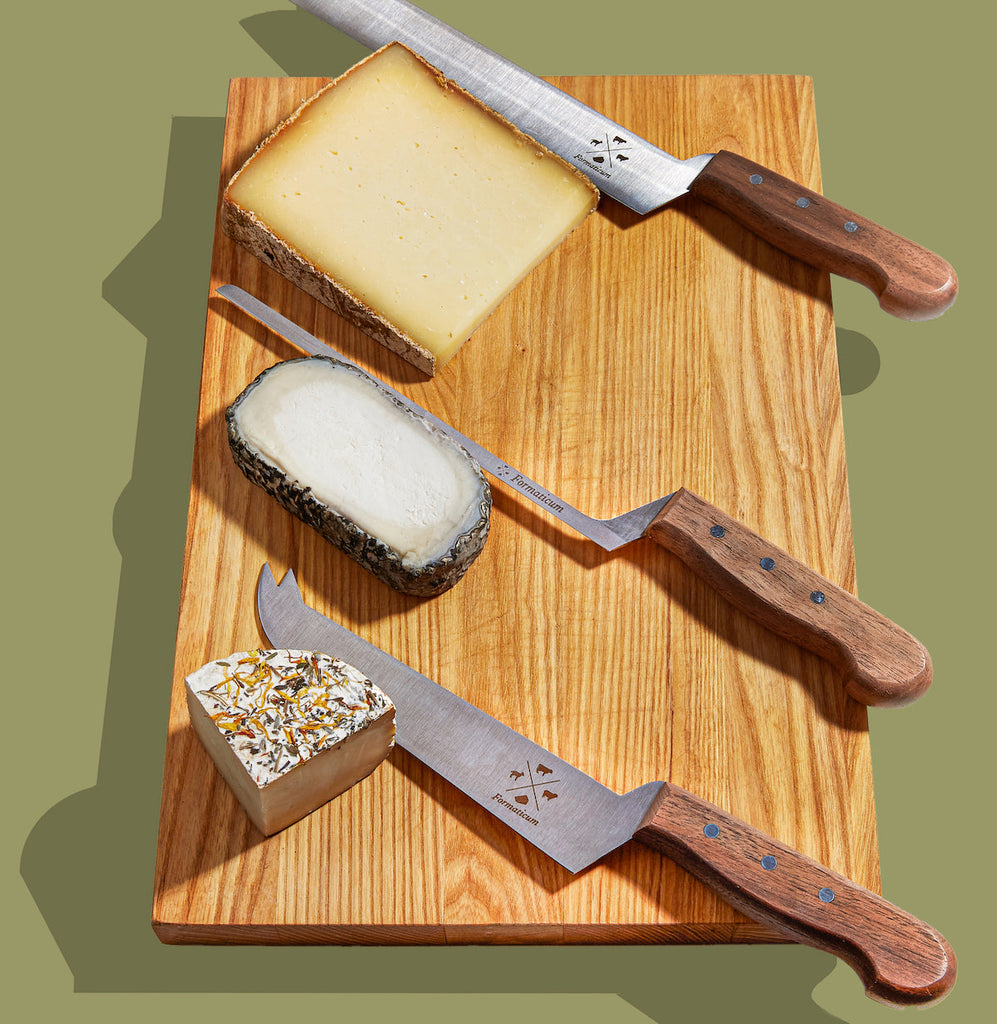
There are a lot of factors that go into the perfect cheese plate, but one of the most important and often overlooked details is how to properly cut each wedge or wheel. Of course, you don’t need to cut up every cheese completely, but making the first incision will help guide your guests. Plus, it helps with the intimidation of being the first to cut into that perfectly pristine wedge.
The shape of the cheese will determine the best way to cut it, while the texture and type will inform which knife to use. When serving, we recommend having a separate knife for each cheese to avoid cross-contaminating the flavors. Here's a helpful little guide on how to cut each cheese the right way, depending on its shape.
Why the Cutting Method Matters
The way you cut cheese doesn’t just make it easier to serve and handle; it also ensures you get the best experience. For hard cheeses, thin slices release a more intense flavor. Some cheeses have a stronger flavor at the rind with a milder taste in the center. Cutting it properly makes sure you get the right blend of both. And cutting cheese into different shapes makes your charcuterie board look elegant.
Formaticum offers exceptional cheese knives that provide different ways to cut cheese.
Tools You Need to Cut Cheese Properly
A small, sturdy Parmesan knife is used to pry off chunks of hard cheese. A special knife for a soft cheese like Brie will prevent sticking, and a cheese wire to cut through hard wheels is a must. A hard cheese board provides the right surface for preparing your cheeses.
How to Cut Cheese by Type
So, what’s best for cutting cheese? First, choose the right tool for the kind of cheese you’ll be offering. These basic tips will help you better understand how to cut different types of cheese easily and present them elegantly.
Cutting them correctly will improve their flavor profile and prevent waste.
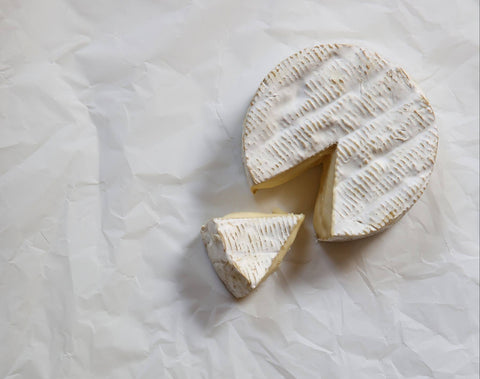
Round, like Camembert
Use our Professional Soft Cheese Knife to slice it into wedges, like you would a pie or cake. This ensures an even rind-to-paste ratio.

Square, like Cottonbell from Boxcarr Handmade Cheese
Use our Professional Soft Cheese Knife to slice into triangles, like you would a grilled cheese. Cut it in half diagonally, corner to corner. Then bisect that so it’s in quarters. Bisect each triangle again.

Log, like Aged Chelsea from Zingerman's
Use our wires cutters to slice into coins, about 1/2 “ thick. If it has a large diameter, like bucheron, you can then cut into pie-like wedges for a perfect portion.

Rectangle (think Comte)
Use our Professional Cheese Knife to slice off the rind then cut into thin strips, vertically. When it comes to flavorful, aged cheeses, the thinner slice, the better.

Firm Wedge, like Mimolette
Use our Professional Cheese Knife to cut off the rind so there are no inedible bits on your cheese platter, then slice into thin triangles.

Crumbly Wedge, like blue cheese
These ones are the hardest to slice cleanly, so we recommend crumbling off a few large pieces and leaving the rest whole. Or, you can use our Professional Blue Cheese Knife to get a clean slice every time!
How to Store Cheese After Cutting
Wrap the cut cheese in wax, cheese, or parchment paper. You can store the wrapped piece in a Ziploc bag, but avoid using plastic wrap; it makes the cheese “sweat.”
Your refrigerator’s crisper section offers ideal humidity control.
Never freeze cheese. If you have a soft cheese in brine, keep it in that brine container.
Common Mistakes When Cutting Cheese
The way you cut cheese matters more than you think, affecting the flavor, texture, and overall presentation on the cheese board. Avoid these mistakes.
- Serving it cold. This dulls the flavor; bring it to room temperature.
- Turning hard cheese into cubes. This results in small bites with little flavor; either use thin slices or break into chunks.
- Pre-slicing. Slices dry out faster. Leave the whole block out and cut as needed.
- Crowding the cheeseboard makes cutting difficult.
- Using the wrong knife. There’s a difference between what you need for soft or hard cheese.
Conclusion
Great cheese is one of the real pleasures in a foodie’s life. Understanding some simple tools and techniques ensures you can savor every bite, from the visual appeal of an elegant charcuterie board to the prism of flavors and aromas it offers.
Having the right knives and knowing when and how to use them will greatly enhance your experience!
Frequently Asked Questions
What knife should I use to cut Brie?
A cheese wire easily cuts through a gooey cheese like Brie. Or use a soft cheese knife with a thin blade to prevent sticking.
How do you cut cheese without it sticking?
Either use a sharp, thin knife or a cheese wire. You can also rub the knife across some butter for a non-stick coating.
Why does hard cheese crumble when cutting?
During aging, hard cheese loses moisture, and the protein breaks down, forming a more brittle structure. Use a wire slicer or twist the knife in to break off chunks.
How do you cut cheese for a charcuterie board?
For a charcuterie board, cut cheese into different shapes. Cut soft cheeses into wedges, slice firm cheeses into triangles or rectangles. For hard cheeses, break into chunks using the tip of a sharp knife.

Formaticum News
Our home to share our cheese chronicles and more.
Categories
Recent Posts
Wire Cheese Cutter Vs Traditional Knife: Choosing the Right Tool for Your Cheese
5 Best Knives for Cutting Different Types of Cheese
10 Cheese Storage Tips to Keep It Fresh Longer
Upcoming Events
Connect with Us
Join the Newsletter
Sign up to receive special offers, new product releases, updates from the cheese shop, and more.