
As seen in









Formaticum Cheese Blog
Why America's Favorite Cheese Shops Love Formaticum
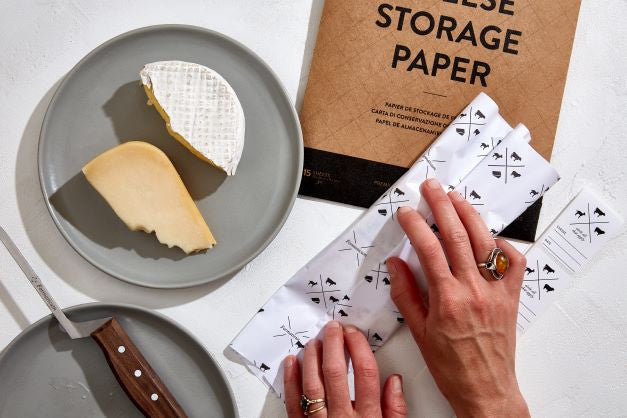
Running a cheese shop or being a cheesemonger bears a tremendous amount of responsibility. Whether it’s a freshly made, local chevre that is barely a few days old, a stunning geotrichum rinded beauty from the Loire Valley, a pungent and meaty washed rind from Lombardy or Burgundy, a perfect example of Alpine style from Vermont, or a world class blue cheese from the Pacific Northwest, the retail cheese counter is essentially carrying the baton for the last lap of the race. Everyone’s hard work and passion along each and every step of the way is now riding on them.
The cheese counter can be an intimidating place for even the most passionate turophiles. Specialty cheese is a living, breathing, and ever evolving delight that can change from one wheel to the next, or even from one day to the next. It’s the cheesemonger’s responsibility to guide and educate their customer base, while working tirelessly to present each example of cheese in its best light. What is even harder is that once the cheese leaves their shop, their responsibility doesn’t end. As the last point of contact, the cheesemonger is responsible for their customer’s experience until the cheese is gone. Now, for us, cheese doesn’t last long in our fridge, but for many, cheese can linger at home for weeks.
The best cheese shops and mongers know this and do all that they can to ensure the best possible experience for their customers until the cheese is gone. When you buy specialty cheese, that is why it will come wrapped in Formaticum Cheese Paper. Proper storage of your cheese preserves the purity of its flavor while extending its shelf life. Our Premium Cheese Storage Paper simulates the environment of a cheese cave, where cheeses are traditionally aged. While conventional plastic wrap suffocates cheese, our unique material allows cheese to breathe while maintaining optimal humidity. The result is cheese stays fresh, longer.
That’s the reason America’s favorite cheese shops use Formaticum paper. Over the next few months we will be taking you on a journey to these cheese shops across the country, chatting with their owners, mongers and customers.
Who should we visit? We want to know your favorite cheese shops, cheese counters or even individual cheesemongers. Let us know.
5 Tips for Cooking with Cheese
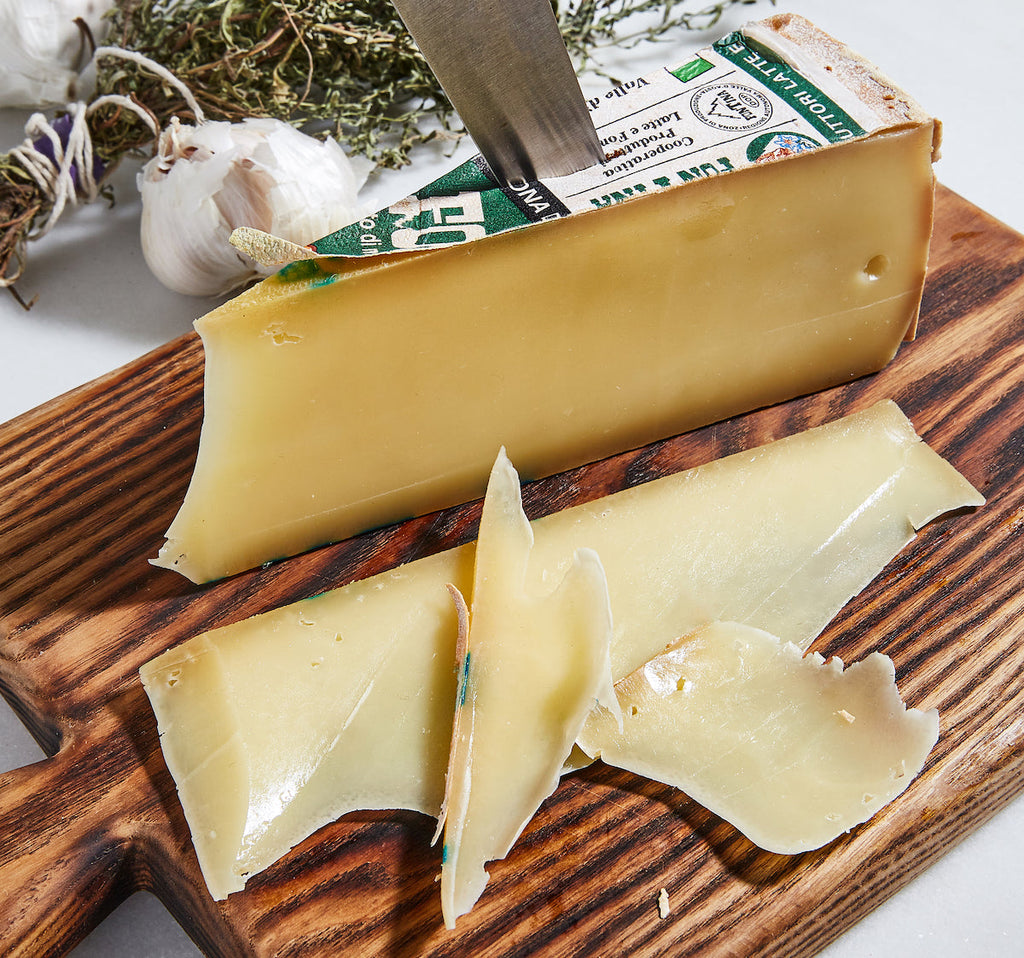
Even though our favorite way to enjoy cheese is on a platter with simple accompaniments, we know that nearly any composed dish is better with some hot, gooey cheese. Cooking with cheese as the star ingredient takes a little skill, and since quality cheese gets expensive, you want to approach your stove or oven well-prepared. The last thing you want is to end up with a pile of coagulated cheese in a pool of its own oil.
Here are our top 5 tips for cooking with cheese.
1. Use a cheese that's made to melt.
The best melting cheeses have the perfect ratio of moisture content, age, and acidity. Look for semi-firm wedges like Gruyère, Raclette, Fontina, low-moisture mozzarella, and a 3-month gouda.
2. Bring it to room temperature.
Cold cheese won't melt as evenly and can even leak out oil when heated. Be sure to temper for at least 20 minutes, and even longer if you're cooking with a particularly large wedge.
3. Grate it fresh.
Pre-shredded cheese has preservatives and additives like powdered cellulose, which can affect the texture when melted. Grating it fresh from the block ensures the best flavors and a silky ooze.
4. Don't cook it too high or for too long.
Cooking cheese at too high a temperature will cause it to separate. If you cook it too longer, it will dry out and lose its velvet-y richness. If your dish requires a long bake-time, experiment with adding a splash of cream to maintain moisture.
5. Store your cheese right!
Poor storage can ruin the flavor and the texture of a cheese, so make sure it's tucked into cheese storage paper or bags to maintain proper airflow and humidity levels. Even when you're cooking with it, you want to make sure you're enjoying the cheese just as the cheesemaker intended.
7 Healthy (and Delicious) Cheese Pairings
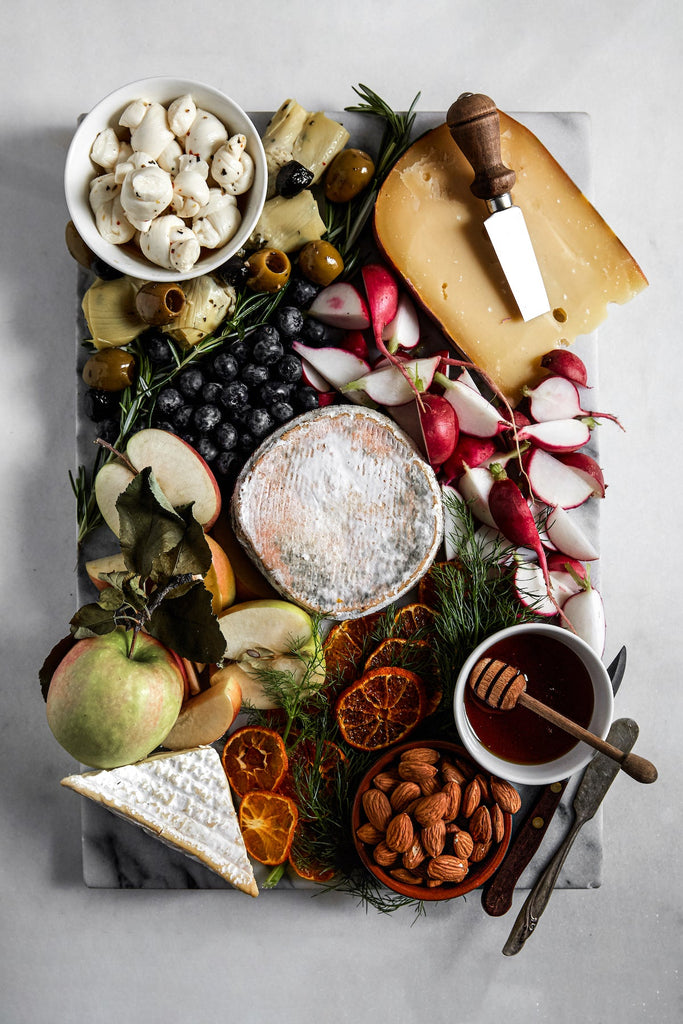
The year is coming to a close and many of us are setting resolutions and making goals to get 2020 off to a healthier start. If this sounds like you, then we have some great news to share: cheese is a health food. Even though it has a reputation for being an indulgence, cheese is actually rich with essential vitamins, minerals, protein, and healthy fats. A recent study even suggests that enjoying three servings of dairy a day is associated with lower rates of cardiovascular disease.
Before you start packing in the pizza and fondue, take note: a healthy, cheese-filled diet is all about balance. A serving of cheese is 1 oz, which is about the size of 2 dice. Try to incorporate 3-4 oz of cheese into your daily diet and pair it with plenty of fruits and veggies.
Here are 7 of our favorite healthy and delicious pairings ideas to work into your resolutions.
1. Goat Cheese + Arugula
Fresh, tangy goat cheese is delicious sprinkled atop a bed of peppery arugula. Just add a little balsamic vinaigrette and some crunchy nuts for a perfect salad you can even bring to work.
2. Brie + Sautéed Mushrooms
The soft, pillowy rind on brie has notes of earthy mushrooms, so this pairing is a no-brainer. We especially like it melted down into an omelet or grilled cheese.
3. Cheddar + Apples
The perfect addition to any lunchbox! Cheddar is so toothsome and satisfying, some juicy apple slices are the perfect complement to that rich tangy flavor.
4. Gruyère + Caramelized Onions
Alpines like Gruyère naturally boast deep caramelized flavors and savory, brothy notes that go spectacularly well with onion jam. Try this combo in a sweet potato gratin or frittata.
5. Manchego + Marcona almonds
Sheep’s milk cheeses like Manchego are rich with notes of roasted nuts that shine when paired with Marcona almonds, which have a more delicate, slightly sweeter flavor than their California cousins.
6. Washed Rinds + Pickled Veggies
Zippy pickles have the right amount of acidity to cut through the rich, buttery texture and beefy flavors for which stinky washed rinds are famous. Try Taleggio with pickled peppers, preferably melted over pasta.
7. Blue Cheese + Dried figs
Salty, funky blue cheese crave something sweet to balance them out. We love pairing them with dried mission figs, which had a deep, complex sweetness that pairs well with creamy blues.
Gifts for Cheese Lovers
The holidays are just around the corner, and we have the perfect presents for all the cheese lovers in your life. Here are some of our favorites, so you can wrap up your gift giving all in one place.

First up are our cheese signs - the perfect party accessory! These durable, sturdy labels are made of reusable food-grade plastic that label each delicious wedge on your cheese board.

Next, we have a must have for anyone with a serious cheese habit, and an easy gift to complement your cheese lover’s lifestyle: our Cheese Log. Anyone can use this handy little book to record all their cheese tastings with notes organized in four helpful sections. They're specially designed to help them remember the cheeses they loved, and avoid the ones they didn't.
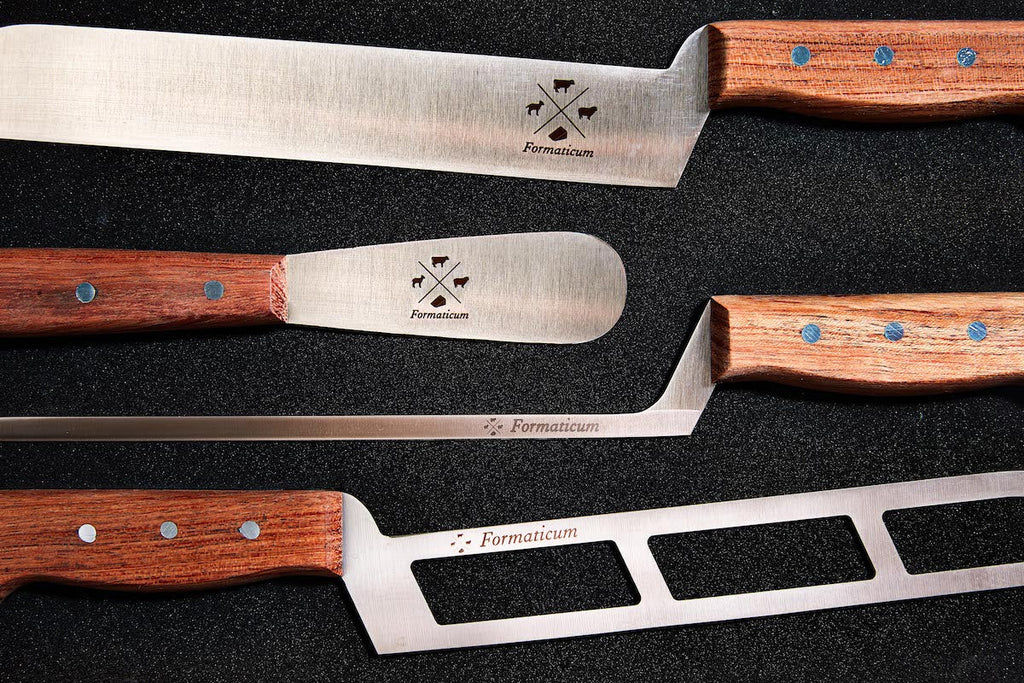
When serving cheese, it is important to use the right tools, and our new cheese knives are a great gift for anyone who is looking to elevate their cheese experience. We have four new professional cheese knives made for soft, blue, firm, and spreadable cheeses. Handmade in Italy, these knives feature stainless steel blades and solid walnut handles, and you can get a set of four in one gift-ready package that comes with a beautiful wooden storage box.
But what about a more simple option, you say? We offer traditional cheese wires in addition to knives, and they are truly the perfect tool for every cheese professional and enthusiast. Guaranteed to make a perfect cut every time, this is a fantastic stocking stuffer.

Do you have a design-focused cheese lover in your life? They will love our vintage cheese boxes! Back in the day, 5 pound blocks of cheese were sold in these novel containers, and each one is unique. They come in two sizes, large and small, and are the perfect place to keep all your cheese necessities.

And don’t forget the most important gift of all: storage solutions to help keep your loved ones’ cheese fresh and delicious, all year round. In addition to our classic cheese storage paper and bags (which we offer together as a gift pack!), we also have our new Green Collection made of biodegradable materials for the environmentally conscious foodie in your life.

Once you give the gift of cheese accessories, continue the love by showing your friends our tips on our Cheese Storage 101 page. Whether they’re a cheese expert, or just beginning that passion, there are a lot of tips to help them use their new tools and keep their cheese fresh. And of course, please check out the rest of our website for even more gift options. Happy shopping!
Once you give the precious gift of cheese accessories, have your friends or family check out tips on our cheese storage 101 page. Whether they’re a cheese expert, or just beginning that passion, there are a lot of tips to keep your cheese fresh.
Of course, check out the rest of our website for even more gift options. Happy shopping!
formaticum.com

Formaticum News
Our home to share our cheese chronicles and more.
Categories
Recent Posts
Wire Cheese Cutter Vs Traditional Knife: Choosing the Right Tool for Your Cheese
5 Best Knives for Cutting Different Types of Cheese
10 Cheese Storage Tips to Keep It Fresh Longer
Upcoming Events
Connect with Us
Join the Newsletter
Sign up to receive special offers, new product releases, updates from the cheese shop, and more.